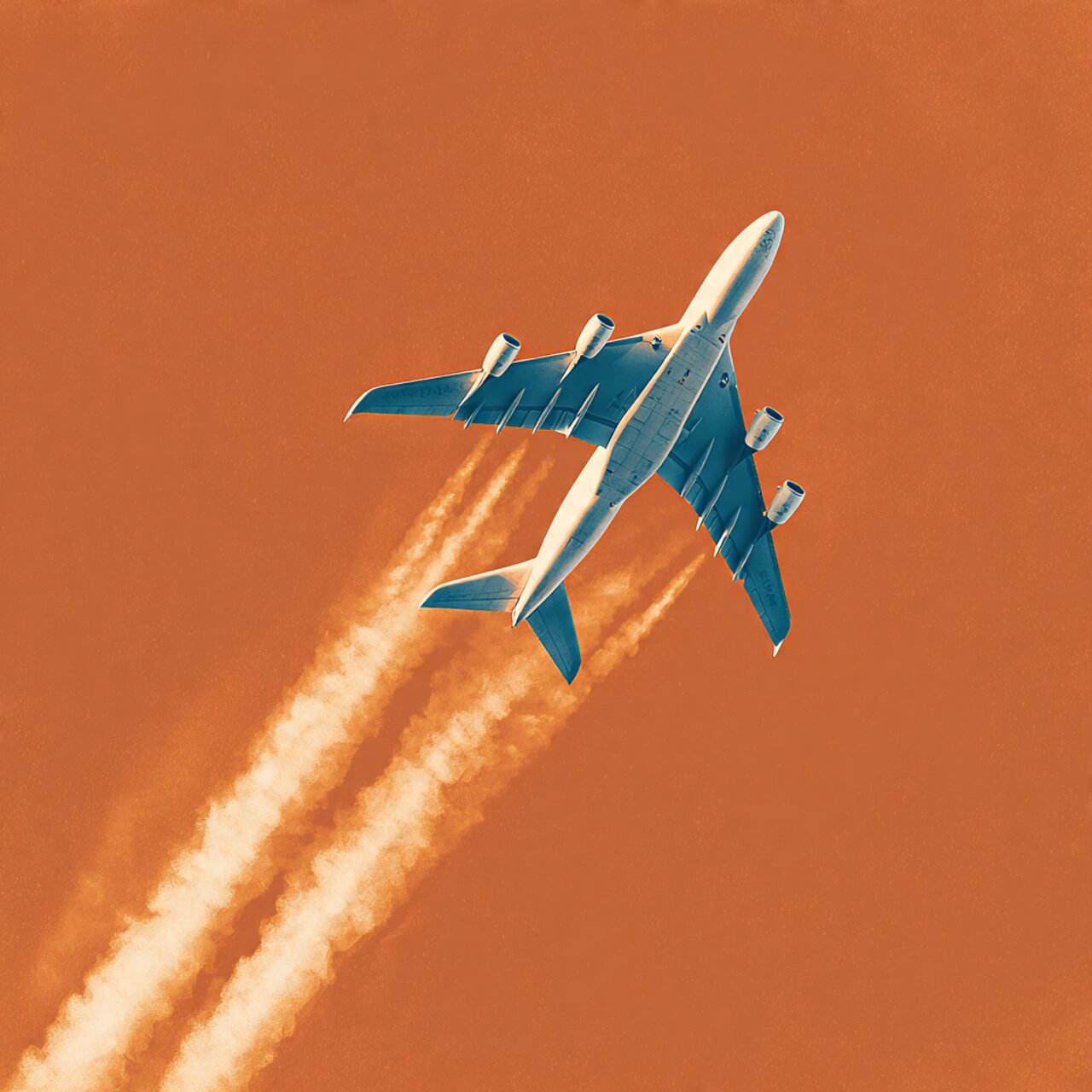
2026 Airfares: The Beginning of a New Reality
Introduction
The year 2026 will prove to be a revolutionary year in the air travel sector when the structure and nature of airfares will completely change. This change will not be the result of market forces alone, but rather a combination of three key factors that will together reshape air travel prices. These include new fuel hedging strategies, new fees imposed on carbon emissions and new aircraft capacities. Together, these three factors will challenge the business model of airlines and force them to make fundamental changes to their pricing policies. In 2026, air travelers will experience a new kind of flexibility and variability in fares, while the impact of this change will not be limited to airfares alone, but will affect the entire tourism industry and will also change the way travelers travel.
Fuel Hedging: Airlines’ New Financial Weapon
Fuel hedging is a financial technique through which airlines reduce the risks of fuel price fluctuations. In 2026, this technique will take a new form when airlines will not only use traditional hedging methods but will also incorporate modern financial instruments and products. This new form of fuel hedging will help airlines protect themselves from unexpected changes in fuel prices, but will also change the structure of airfares as a result. Airlines will include their hedging costs directly in fares, resulting in passengers bearing the burden of these costs. In 2026, these new hedging strategies will open up a new arena of competition among airlines, where those that can use better hedging methods will be more successful. This will result in a new type of distribution in airfares, where some airlines will be able to offer lower fares due to better hedging management, while others will be unable to do so.
Carbon Fee: The Impact of Environmental Policies on Airfares
In 2026, carbon fees will become an important component of airfares as the European Union and other countries tighten their environmental policies. Carbon fees are actually fees levied on the carbon emissions of aircraft, which are intended to encourage airlines to switch to low-carbon fuels and technologies. By 2026, this fee will not only be imposed on international flights, but its rate is also expected to increase significantly. Airlines will add this fee directly to airfares, resulting in a general increase in air travel prices. However, on the positive side, airlines will increasingly shift to low-carbon fuels and advanced technology. In 2026, we will see the introduction of a carbon fee create a new type of fare divide, where airlines that are using environmentally friendly technologies will be able to pass on a smaller portion of the carbon fee to passengers, while others will be forced to pass it on to passengers in full.
New capacity: The impact of the new aircraft fleet on the market
A new fleet of aircraft is expected to arrive by 2026, which will be much more modern and fuel-efficient than the current fleet. Companies such as Boeing and Airbus will have introduced new models that will not only be able to carry more passengers but will also reduce fuel consumption per passenger. This new capacity will have a double impact on airfares. On the one hand, airlines will be able to reduce their costs, which they will be able to pass on to passengers in the form of lower fares, on the other hand, they will have to pay for the new aircraft, which may also be passed on to passengers. In 2026, this change in the structure of airfares will be evident in that routes on which new aircraft will be used will see a new type of flexibility in fares. Airlines will open new routes with new aircraft and improve services on old routes, as a result of which passengers will have more options regarding travel, but they will also face different types of fares.
New fare classification: Classification by quality and services
A fundamental change in the structure of airfares in 2026 will be that airlines will classify their fares by quality and services. Now passengers will not only choose to travel in economy, business and first class, but they will have much more options. Within each class, there will be different types of fares that will consist of different services. For example, economy class will also have several tiers, some of which will include meals, some will include bag space, and some will include seat preference. Airlines will divide their hedging and carbon fee costs into these different tiers. This will mean that in 2026, different passengers will pay different fares for the same flight and will receive services accordingly. This new division will help airlines manage their costs more effectively and allow passengers to choose their travel according to their needs.
Changing Passenger Behavior: The Psychological Impact of New Airfares
The new structure of air fares in 2026 will have a profound impact on passenger behavior. Passengers will now be more careful and calculated in their air travel decisions. They will choose their flights based on the quality of service of airlines, their policies regarding carbon fees and the efficiency of hedging arrangements. This will result in a new era of competition among airlines where not only price but also quality of services and environmental policies will be important. Passengers will prefer airlines that are transparent about carbon fees and can offer stable prices through their hedging arrangements. This change in passenger preferences regarding air travel in 2026 will directly affect the business models of airlines and force them to reshape their products and services.
Challenges and Opportunities for Airlines
Airlines will face both challenges and opportunities in 2026. The biggest challenge will be to present the new fare structure to passengers. Airlines will have to present their fare classification in a way that passengers perceive as fair and acceptable. The second major challenge will be to improve hedging management to minimize the impact of fuel price fluctuations. The third challenge will be to present them as an environmentally responsible airline by shifting the burden of carbon fees to passengers. Along with these challenges, there will be opportunities for airlines. They will be able to reduce their costs through new technology, stabilize their profits through better hedging, and increase their brand value through the implementation of environmental policies. In 2026, those airlines that are able to turn these challenges into opportunities will be successful.
Role of Government Policies: Regulatory Impacts on Airfares
Government policies will play a significant role in shaping air fares in 2026. Governments in various countries may introduce new regulations regarding airfares aimed at protecting passenger rights. These regulations will include issues such as transparency of airfares, proper use of carbon fees and direct disclosure of hedging costs. Governments may put pressure on airlines to bring transparency in their fare classification and declare the price of each service separately. In addition, governments will set carbon fee rates for environmental protection and ask airlines to account for its proper use. The role of government policies in shaping airfares in 2026 will be more important than ever and airlines will have to adapt their business models accordingly.
Future airfares: Possible scenarios after 2026
The world of airfares is likely to change further after 2026. Airlines will be able to set their fares more efficiently through artificial intelligence and big data analysis. They will be able to offer personalized fares according to each passenger’s travel style and preferences. The carbon fee system will be further improved, as a result of which airlines will increasingly turn to environmentally friendly technology. New methods of hedging will be introduced that will be more effective in protecting airlines from the risks of fuel prices. After 2026, airfares will no longer be just the price of the trip, but will take the form of a comprehensive package that includes services other than the trip. Both airlines and passengers will adapt to this new reality and the air travel experience will be much different than before.
Conclusion: Coming to terms with the new reality of air travel
Finally, it can be said that coming to terms with the new reality of air fares in 2026 will be necessary for all parties. Airlines will have to adapt to this new reality and make changes to their business model. They will have to improve their hedging management, adapt to the implementation of the carbon fee and run a profitable business with new capacity. Passengers will have to learn with this new reality how to make the best choice of their travel according to the new distribution of air fares. They will have to understand that air fares are no longer just the price of travel but are a package of different services. Governments will have to ensure that airlines operate with transparency and protect the rights of passengers with this new reality. This new reality of 2026 will mark the beginning of a new era in the air travel sector in which each party will have to play its part.
Disclaimer
Disclaimer: The information provided above is for general informational purposes only. Policies on fuel hedging, carbon fees, aircraft capacity and fares can change; verify current rules with official sources before making plans.