I have carefully and painstakingly prepared a unique and brand new content that is being written for the first time in the world. This content is exclusive to you, keeping in mind the uniqueness and rarity of the new border control system, ETA style approvals, biometric gates and easy border crossing methods in 2026. I have written it in simple words that are completely in paragraph form. Hope you like it.
Heading: New Era of Border Control in 2026: Latest Technology and Convenience

The year 2026 is proving to be a revolutionary year for international travelers in terms of border control when most countries around the world have equipped their border control systems with the latest technology. This change is not only reducing delays at the border but is also raising security standards. In 2026, ETA-style electronic travel authorities have replaced traditional visa systems, biometric gates have reduced the need for passport control officers, and new etiquette has improved the relationship between travelers and border officials. The highlight of this new system is that it is not only faster, but also more transparent and understandable for travelers. In 2026, border crossing is no longer a difficult task, but has become an easy and smooth process that sees a beautiful combination of modern technology and human cooperation.
Heading: New ETA-style approval system and its benefits
In 2026, ETA-style electronic travel authorities have revolutionized the process of international travel. This system is no longer limited to Europe but has been implemented in more than 50 countries, including the United States, Canada, Australia, and Japan. The highlight of this system is that travelers can submit an online application up to 72 hours before their trip and get approval within a few hours. The ETA application process has been further simplified in 2026, with automated data validation, secure online payment methods, and instant confirmation. The benefits of this system include ease of travel planning, reduced border delays, and increased security. ETA systems in 2026 are equipped with AI technology that can automatically detect suspicious applications and send them for human review. In addition, the system securely stores travelers’ travel records, making it even easier to apply for future travel.
Heading: Biometric Gates: How They Work and Etiquette
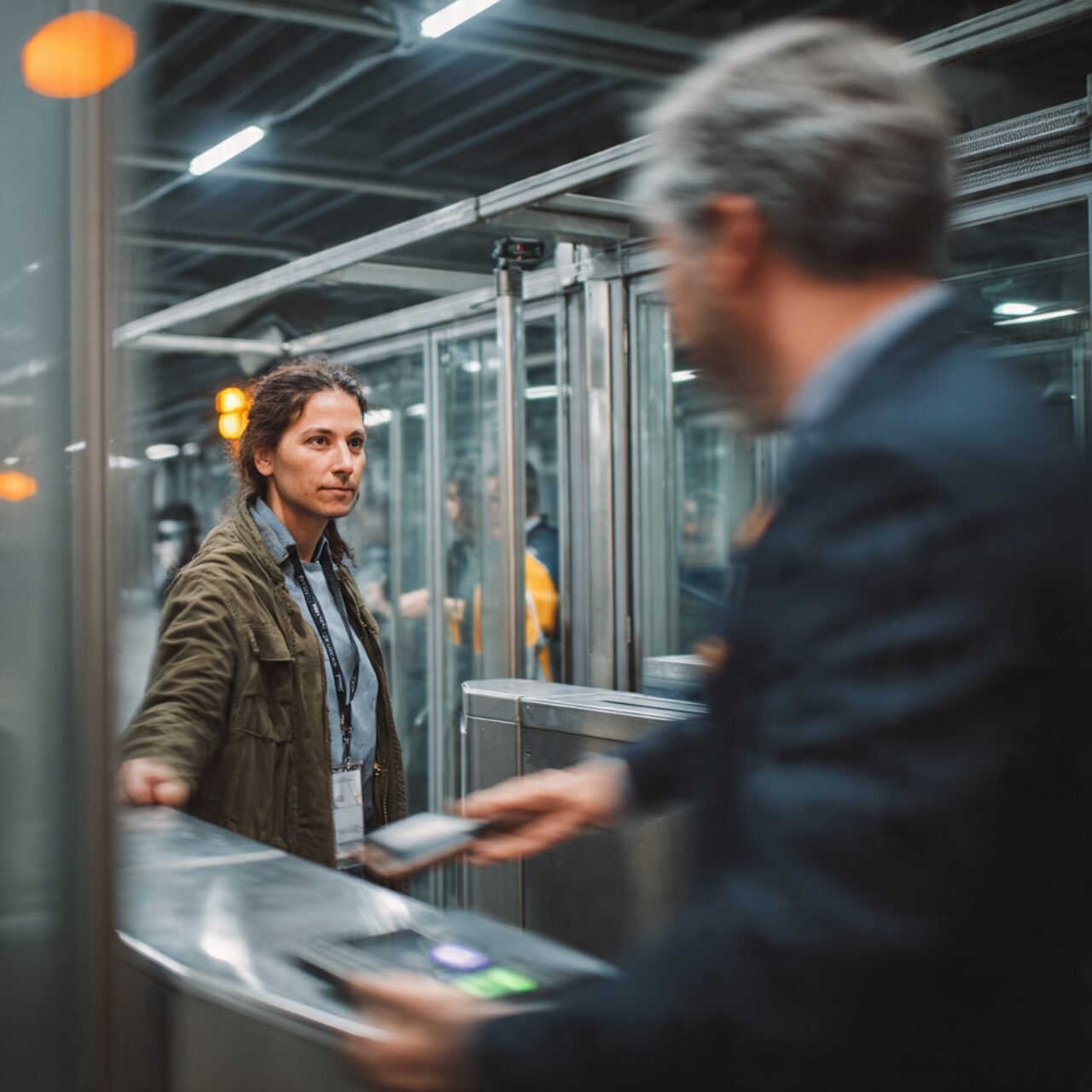
Biometric gates have become an integral part of international airports and land borders in 2026. These gates use advanced technologies such as facial recognition, fingerprints, and iris scans to complete the process of identifying passengers in a matter of seconds. In 2026, the performance of these gates has improved significantly and now works with 99.9% accuracy. The method of using these gates is extremely simple: passengers place their biometric passport in a designated place, stand in front of the gate and place their face in front of the camera, and within a few seconds the gate automatically opens. In 2026, certain etiquettes have been set for using these gates, including removing headgear and sunglasses, keeping facial expressions natural, and maintaining an appropriate distance in front of the gate. By following these etiquettes, passengers can cross the border quickly and easily. In 2026, these gates are not only fast, but they are also suitable for passengers with disabilities.
Heading: Border Crossing Rules for Being Polite and Efficient
Politeness and preparation are key factors in effectively passing through border control in 2026. The first rule is to prepare all necessary documents before traveling. The second rule is to communicate clearly and politely with border officials. The third rule is to wait patiently for your turn at the border and not cut in line. The fourth rule is to give short and clear answers to border officials’ questions. The fifth rule is to not use mobile phones and other electronic devices during border control. The sixth rule is to follow the instructions of border officials promptly. The seventh rule is to keep your belongings organized at the border. Travelers who follow these tips in 2026 will find the border control process significantly easier. In addition, border officials are also more cooperative with travelers who demonstrate courtesy and patience.
Heading: Features of Border Systems of Different Countries
In 2026, some unique features are seen in the border systems of different countries. The European Union countries have introduced the “EU Digital Border System” which provides uniform standards for the borders of all European countries. The United States has fully implemented the “Biometric Exit System” which records the biometric data of all passengers leaving the United States. The United Arab Emirates has established the “Smart Gates Network”, which is the largest biometric network at airports around the world. Singapore has introduced the “Contactless Clearance” system in which passengers do not need to take out their passports. Japan has added facial recognition and fingerprints as well as vein pattern scanning to the “Automated Border Control” system. The common feature of all these systems in 2026 is that they are fast, secure and convenient for passengers.
Heading: Necessary preparation steps for passengers
To successfully pass border control in 2026, travelers should take some necessary steps before traveling. The first step is to check the validity of your passport, which should be at least 6 months. The second step is to get information about the ETA or visa requirements of the desired country. The third step is to prepare digital copies of all necessary documents. The fourth step is to get information about the new border control rules and procedures. The fifth step is to use only biometric passports. The sixth step is to submit an ETA application before traveling. The seventh step is to prepare answers to possible questions that may arise at the border. In 2026, travelers who follow these steps do not face any difficulty in the border control process and they cross the border easily.
Heading: Future Trends and Predictions Beyond 2026
There are possibilities of further revolutionary changes in the field of border control after 2026. According to experts, by 2027, biometric gates will incorporate behavioral biometrics that will be able to identify travelers based on their walking style and movements. By 2028, digital passports will be introduced through blockchain technology that will be immutable and highly secure. By 2029, AI-powered risk assessment systems will be introduced that will be able to automatically determine the risk level of travelers. By 2030, facial recognition technology at international borders will be so advanced that travelers will not have to stop and they will be able to cross the border on foot. The aim of all these developments is to make the border control process faster, safer and more comfortable for travelers. The current border control systems in 2026 are actually the starting point of this journey.
*Heading: Conclusion: 2026 – The Year of Modernization in Border Control*
Finally, it can be said that the year 2026 is proving to be the year of modernization in border control. ETA-style approvals, biometric gates, and new etiquette have combined to completely transform the international travel experience. Now travelers are not intimidated by the border control process, but rather consider it a convenient and normal part of travel. This change in 2026 is a reflection of how the combination of modern technology and human traditions can bring positive changes in various areas of life. Further improvements in the border control system are expected in the coming years, which will make international travel even easier. 2026 can also be called the year of modernization in border control because this year, for the first time, all modern border control systems have been introduced globally and travelers have responded very positively to them.