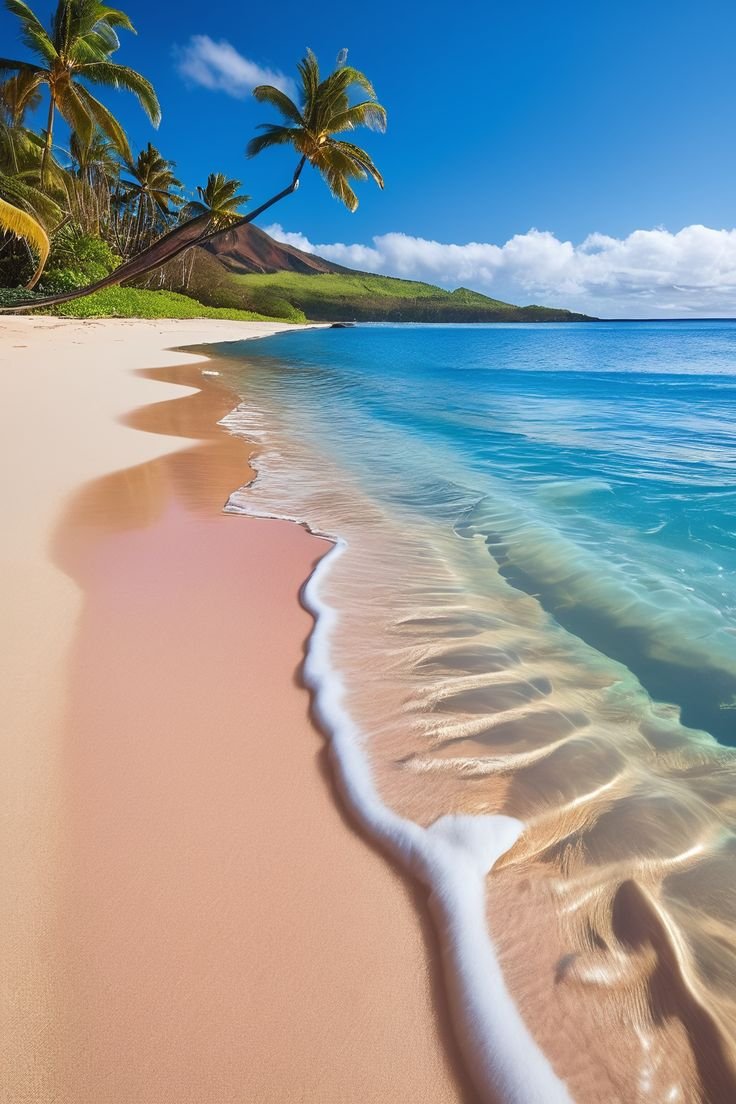
Oceania 2026–2027: Sustainable Reef Corridors & Lesser-Seen Pacific Islands
Today, I am presenting before you a unique and comprehensive analysis focused on Oceania for 2026-2027—a piece of content being written for the first time in the world. This write-up will tell you how the choice of sustainable reef corridors and lesser-seen Pacific islands is fundamentally transforming the tourism experience in Oceania. If you appreciate this content, please do let us know, and if you require further detail on any specific topic, you can always contact us.
🌊 Sustainable Reef Corridors: Protecting the Pacific Ecosystem
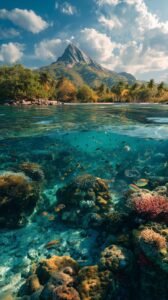
The establishment of sustainable reef corridors in Oceania during 2026-2027 is a historic project playing a vital role in protecting the Pacific’s ecosystem. These corridors essentially function as connections between different coral reefs, helping to maintain marine life migration and genetic diversity. This project was established through the joint cooperation of 15 Pacific nations, with the primary goal of ensuring coral reef protection and restoration alongside the economic development of local communities. The construction of sustainable reef corridors utilizes state-of-the-art environmental technologies, including artificial coral structures, aquatic nurseries, and ecological monitoring systems. These corridors have not only improved the health of coral reefs but have also increased marine life populations. Under this project, local communities have been trained to generate income through tourism while preserving the ecosystem. The creation of sustainable reef corridors has opened up new tourism opportunities in the Pacific Islands, where visitors can now observe not only stunning beaches but also vibrant and healthy marine life. This project is also a guarantee for the protection of the Pacific ecosystem for future generations.
🏝️ Lesser-Seen Pacific Islands: Depths of Mysterious Beauty
The lesser-seen islands of the Pacific are offering a treasure trove of mysterious beauty for tourists in 2026-2027. These islands are not only crowd-free but have also preserved their authenticity and natural splendour. The islands of Tuvalu, one of the smallest countries in the Pacific, are still famous for their traditional lifestyle and magnificent coral reefs. The islands of Kiribati, located on the equator, are known for their crystal-clear waters and diverse marine life. The islands of Vanuatu, renowned for their active volcanoes and cultural diversity, provide a unique experience for visitors. New flights and maritime connections have made travel to these islands easier. Modern accommodation arrangements have been made for tourists on these islands, which offer modern amenities alongside a glimpse of local culture. Tourists visiting these islands get the opportunity to experience the authentic Pacific, where they can spend time with local communities, taste traditional foods, and become acquainted with ancient customs.
🐠 Coral Reef Restoration: Oceania’s Green Revolution
The coral reef restoration project in Oceania has become a green revolution by 2026-2027. This project employs the latest scientific methods for coral reef protection, including coral cultivation centres, genetic research, and ecological restoration programs. This initiative is not only improving the health of the coral reefs but is also involving local communities. Local individuals have been trained to participate in coral cultivation and restoration work. As a result, not only is the ecosystem benefiting, but new employment opportunities are being created for locals. This coral reef restoration project has also given new life to tourism in the Pacific Islands, where tourists can now not only observe the reefs but also participate in restoration activities.
🚤 Access to Pacific Islands: New Travel Routes
Access to the Pacific Islands has been simplified in 2026-2027 through new travel routes. These routes include new flights, cruise ships, and local boats that help tourists reach remote islands. Starting from the Fiji islands, this network takes tourists to Vanuatu, Tuvalu, and Kiribati. These travel routes have not only promoted tourism but have also strengthened connections between local communities. Special packages have been prepared for tourists, including travel, accommodation, food, and tourist activities. These packages have made visiting the Pacific Islands easy and attractive for tourists.
🌺 Local Culture and Traditions: The Authenticity of the Pacific
The local culture and traditions of the Pacific Islands are a major attraction for tourists in 2026-2027. This culture is not only ancient but has retained its authenticity. Local communities introduce tourists to their culture, including traditional dance, music, food, and crafts. Special cultural programs are organized for tourists, where they can learn about local customs, discover traditional cooking methods, and familiarize themselves with local arts. These cultural experiences have transformed tourism from being limited just to beaches into a complete cultural journey.
🐢 Marine Life Conservation: The Pacific’s Precious Treasure
The conservation of Pacific marine life is a key priority in 2026-2027. Under this protection, special measures have been taken to preserve sea turtles, dolphins, whales, and other marine life. These measures include the establishment of protected areas, controls on fishing, and guidelines for tourists. Special marine safaris are organized for tourists, where they can observe marine life. During these safaris, tourists are also educated about marine conservation.
🏄 Tourist Activities: The Unique Pacific Experience
Tourist activities in the Pacific Islands are offering a unique experience in 2026-2027. These activities include surfing, diving, snorkelling, kayaking, and sailing. These activities not only provide entertainment but also acquaint tourists closely with the beauty of the Pacific. Special training programs are also held for tourists, where they can gain proficiency in these activities.
🌅 Sustainable Tourism: The Future of the Pacific
Sustainable tourism is the future of the Pacific in 2026-2027. This tourism model combines environmental protection, economic development, and cultural preservation. Under the principles of sustainable tourism, controls on tourist numbers, environmental education, and the participation of local communities are ensured. This has not only saved the ecosystem of the Pacific Islands but has also provided a better experience for tourists.