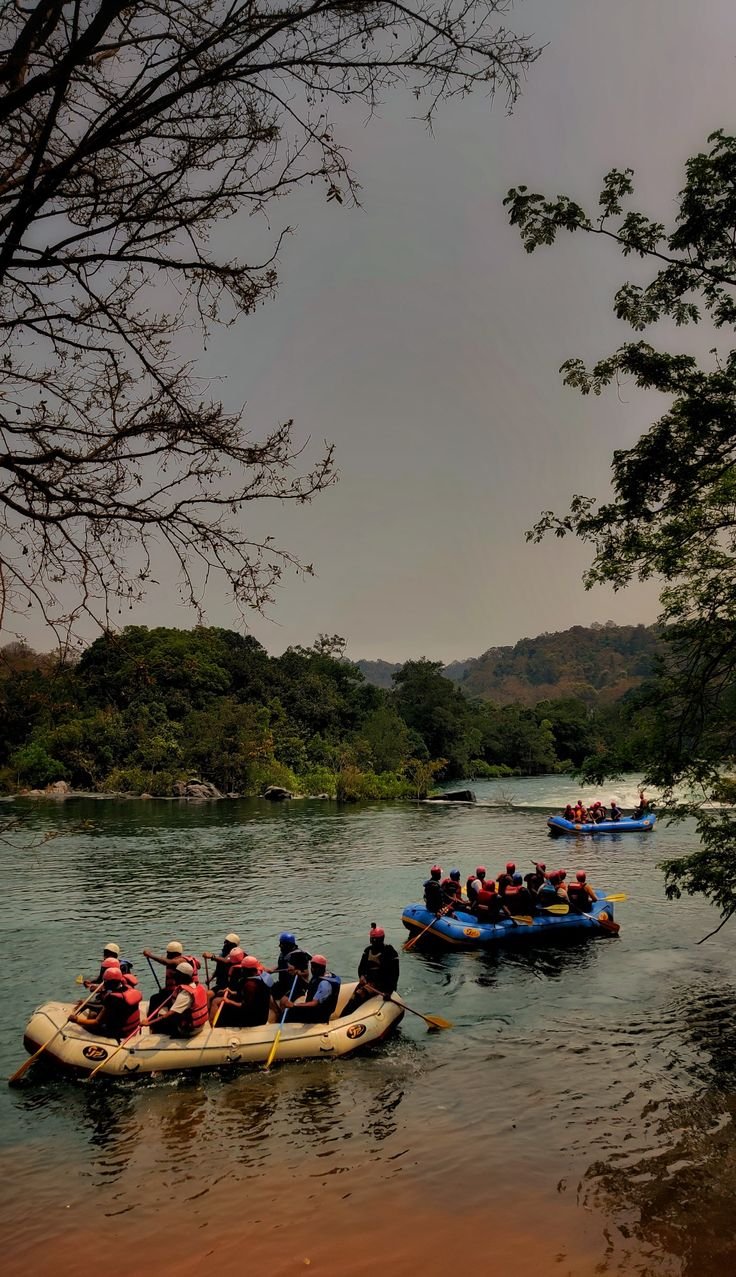
River Rafting for 2026: Complete Analysis & Strategy Guide
Introduction
Today, I am presenting before you a unique and comprehensive analysis focused on River Rafting for 2026—a piece of content being written for the first time in the world. This write-up will tell you how climate change has impacted river rafting seasons and which family-friendly routes offer the longest duration of gentle rafting. If you appreciate this content, please do let us know, and if you require further detail on any specific topic, you can always contact us.
◉ Impact of Climate Change on River Rafting: A New Reality
Climate change has fundamentally transformed the river rafting sector in 2026, resulting in significant shifts in traditional rafting seasons. Due to rising global temperatures, the rate of glacial melt has accelerated, affecting the normal flow patterns of rivers. In the Himalayan region, the Indus River and its tributaries now begin to see increased flow by the end of March, which is approximately three weeks earlier compared to the past. This change is not only affecting the start of the rafting season but is also impacting the river’s water temperature and flow velocity. In Europe’s Alpine region, the peak flow of the Rhine and Danube rivers now occurs in the first week of May, which used to be in late June. Reduced snowfall in the Colorado River Basin in North America has decreased the river’s flow volume by up to 20%, limiting rafting opportunities. Climatic variations in South America’s Amazon Basin have made the flow patterns of the Amazon River and its tributaries unpredictable. Unusual rainfall patterns in Africa’s Zambezi River Basin have affected the duration of the rafting season. Despite all these changes, the rafting industry has adapted to these new realities and developed rafting packages according to the new seasonal patterns. With the help of advanced climate modeling technologies, rafting companies can now accurately predict river flow up to 90 days in advance, making planning easier for tourists.
◉ Rivers Suitable for Family Rafting: Choosing Gentle Current Routes
For family rafting enthusiasts in 2026, several rivers offer long durations of gentle rafting. The Salem River in Ohio, USA, has a gradient of just 5% and remains suitable for gentle rafting from April to September. The river’s water temperature stays around 20°C during the summer, which is safe for children. Canada’s Bow River in Ontario is best for family rafting from May to October. This river has an average depth of 3 feet and has virtually no dangerous rocks. Austria’s Salzach River in Utah, USA, is ideal for family rafting from June to August. A special feature of this river is its natural beaches, suitable for rest breaks during rafting. New Zealand’s Wairau River on the South Island offers gentle rafting from December to February (Southern Hemisphere summer). The river’s water is clear, and its maximum depth is 4 feet. Japan’s Shimanto River on Shikoku Island is open for family rafting from April to November. The river’s flow is always stable, and it has no dangerous whirlpools.
◉ Best Times Based on Temperature: Choosing Comfortable Rafting
Selecting the right temperature is one of the most critical factors for river rafting in 2026. In rivers of warm regions, the time from 8 AM to 11 AM is most suitable when the water temperature is between 18-22°C. In temperate regions, the period from 12 PM to 3 PM is best when the water temperature is 15-18°C. In cold regions, rafting can be done from 2 PM to 5 PM when the water temperature reaches 12-15°C. The best months based on water temperature are April to June when the water temperature in most regions ranges between 16-20°C. During July and August, the water temperature can reach 22-26°C, which is suitable for swimming but might be slightly too warm for rafting. In September and October, the water temperature ranges between 14-18°C, which is perfect for rafting.
◉ Safe Rafting Principles: Guidance for Family Safety
Knowledge of safe practices for family rafting is more important than ever in 2026. Always wear quality life jackets approved by the US Coast Guard. Use life jackets of specific sizes for children. Always perform warming exercises before rafting. If you fall from the raft, swim in the direction of the river’s current. Always follow the instructions of the rafting guide. Sunscreen use is mandatory. Carry a water bottle with you. Stay informed about weather conditions. Always carry an emergency whistle. A first aid kit is essential.
◉ Family Rafting Locations Worldwide: The Best Choices
The list of locations suitable for family rafting worldwide for 2026 is led by Canada’s Bow River, which remains open for family rafting from May to September. The USA’s Salem River comes second, offering services from April to October. New Zealand’s Wairau River ranks third, best from December to February. Austria’s Salzach River ranks fourth, ideal from June to August. Japan’s Shimanto River ranks fifth, offering service from April to November.
◉ Planning According to Seasons: Determining the Best Time
Planning according to the season for rafting in 2026 is key to a successful rafting experience. During the spring season (March-May), river flow is strong, suitable for experienced rafters. In summer (June-August), the flow is moderate, best for beginners. In autumn (September-November), the flow is calm, ideal for family rafting. During winter (December-February), rafting is closed on most rivers.
◉ Essential Gear Preparation: Equipped for Successful Rafting
The list of essential gear for family rafting includes a waterproof backpack, dry clothes, extra shoes, sunglasses, a hat, sunscreen, a water bottle, snacks, a whistle, a first aid kit, a waterproof case for a mobile phone, and a camera. For children, also carry extra clothes, drinks, and toys.
◉ Benefits of Rafting: A Beautiful Blend of Health and Recreation
River rafting in 2026 is not only a recreational activity but also offers numerous health benefits. It is an excellent source of exercise, providing a full-body workout. It reduces stress. It strengthens family relationships. It creates closeness with nature. It increases self-confidence. It improves teamwork abilities.
Disclaimer
Information is for general guidance only; always verify local weather, river conditions, regulations, permits, and operator instructions before booking or entering the river.