🌌 Seasonal Windows for Bioluminescence: Scientific Determination of Best Times
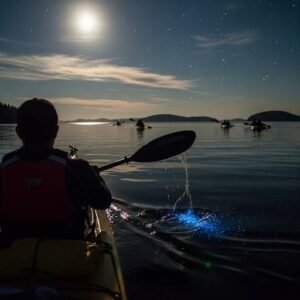
For the bioluminescence by kayak experience during 2026-2027, seasonal windows have been determined with new scientific precision. In Puerto Rico’s Mosquito Bay, the bioluminescence season now spans from December to August, with the period from February to April considered the most intense. Here, the dinoflagellate count reaches up to 720,000 per milliliter, presenting amazing displays of blue light. In Jamaica’s Luminous Lagoon, the bioluminescence period lasts from January to September, with the duration from March to May offering the clearest views. Here, water clarity reaches up to 15 meters, doubling the effect of the light. In the Maldives’ Vaadhoo Island, the bioluminescence season continues year-round, but its intensity peaks between January and March. Here, the sea sparkle count reaches up to 1,000,000 per liter, making the shoreline sparkle like stars. In Australia’s Jervis Bay, the bioluminescence duration lasts from May to November, with the period from July to September being the most impressive. Here, the presence of Noctiluca scintillans gives the water an electric blue color. In Vietnam’s Van Phong Bay, the bioluminescence season lasts from March to October, with nights from May to July being the most spectacular. Here, the movement of ostracod crustaceans creates glowing lines in the water. In Thailand’s Koh Rong Island, the bioluminescence period lasts from November to April, with the time from December to February considered the best. Here, phytoplankton density gives the water a deep blue color.
🛶 Experiencing Bioluminescence by Kayak: A Safe and Spectacular Method
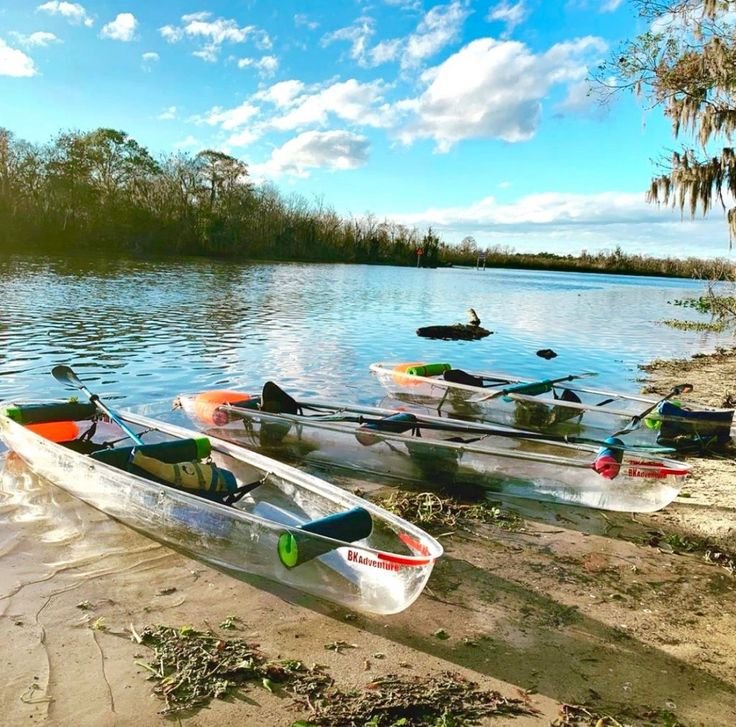
Experiencing bioluminescence by kayak has become a safe and spectacular method in 2026-2027. In Puerto Rico’s Mosquito Bay, transparent kayaks are used, allowing light to reach the water directly. These kayaks have watertight compartments that keep essential gear safe. In Jamaica’s Luminous Lagoon, double kayaks have been introduced, providing both stability and convenience. In the Maldives’ Vaadhoo Island, glass-bottom kayaks are used, which also offer views beneath the water. In Australia’s Jervis Bay, electric kayaks have been introduced, which run silently and keep the environment peaceful. In Vietnam’s Van Phong Bay, LED-free kayaks are used, keeping the bioluminescence experience unaffected. In Thailand’s Koh Rong Island, eco-friendly kayaks are used, made entirely from recyclable materials. All kayaks include safety features, including life jackets, emergency whistles, and waterproof torches.
📜 Conservation Rules and Environmental Protection: Principles of Sustainable Tourism
For the bioluminescence by kayak experience in 2026-2027, strict principles of conservation rules and environmental protection have been implemented. In Puerto Rico’s Mosquito Bay, there is a complete ban on chemical sunscreen, and mineral sunscreen is permitted. Here, the number of kayak groups is limited to 10, with a maximum of 8 people per group. In Jamaica’s Luminous Lagoon, there is a ban on plastic bottles, and the use of reusable containers is mandatory. Here, specific routes have been designated for kayaks, which minimally impact the ecosystem. In the Maldives’ Vaadhoo Island, there is a ban on flash photography, and low-light photography is allowed. Here, kayak tour timings have been set, which do not affect marine life routines. In Australia’s Jervis Bay, a silence policy has been implemented to minimize noise pollution. Here, strict laws for biological waste management have been enforced. In Vietnam’s Van Phong Bay, a water quality monitoring system has been installed, continuously monitoring water quality. In Thailand’s Koh Rong Island, a visitor education program has been introduced, providing tourists with awareness about environmental protection.
🌙 Booking the Clearest Nights: State-of-the-Art System
For the bioluminescence by kayak experience, booking the clearest nights is done through a state-of-the-art system in 2026-2027. In Puerto Rico’s Mosquito Bay, bookings are made according to the lunar calendar, with nights near the new moon given preference. Here, a weather forecasting system has been installed, predicting weather with 98% accuracy. In Jamaica’s Luminous Lagoon, a cloud cover analysis system has been introduced, measuring cloud density. Here, a visibility index has been developed, rating water clarity. In the Maldives’ Vaadhoo Island, bookings are made according to astronomical data, considering the position of the Milky Way. Here, a light pollution monitoring system has been installed, monitoring the effects of artificial light. In Australia’s Jervis Bay, a marine conditions forecasting system has been introduced, predicting water conditions. Here, a water temperature monitoring system has been installed, continuously monitoring temperature. In Vietnam’s Van Phong Bay, a real-time booking system has been introduced, showing last-minute availability. In Thailand’s Koh Rong Island, a mobile application has been introduced, providing booking and information facilities.
🎒 Essential Gear and Preparation: Guidance for a Successful Experience
Essential gear and preparation for the bioluminescence by kayak experience are the most important steps in 2026-2027. For a waterproof bag, a dry bag is preferred, keeping all gear dry. For clothing, quick-dry materials are preferred, which dry quickly after getting wet. For footwear, water shoes are essential, providing protection from slipping. For photography, a low-light camera is essential, taking the best pictures in minimal light. For protection, insect repellent is essential, providing protection from mosquitoes. For hydration, a reusable water bottle is essential, compensating for water loss. For navigation, a GPS device is essential, preventing getting lost. For emergencies, a first aid kit is essential, providing immediate assistance in case of injury.
👥 Guided Tours and Individual Experience: Freedom of Choice
For the bioluminescence by kayak experience in 2026-2027, guided tours and individual experiences provide freedom of choice. In Puerto Rico’s Mosquito Bay, professional guides can be hired, providing detailed information. In Jamaica’s Luminous Lagoon, private tours can be arranged, providing personal attention. In the Maldives’ Vaadhoo Island, group tours are held, which are economical. In Australia’s Jervis Bay, educational tours are held, providing scientific information. In Vietnam’s Van Phong Bay, photography tours are held, helping to take the best pictures. In Thailand’s Koh Rong Island, romantic tours are held, suitable for couples.
💰 Costs and Budget: Economic Planning
Costs and budget for the bioluminescence by kayak experience provide economic planning convenience in 2026-2027. In Puerto Rico’s Mosquito Bay, the basic package costs $75 USD, including kayak and basic gear. In Jamaica’s Luminous Lagoon, the standard package costs $100 USD, including guide and snacks. In the Maldives’ Vaadhoo Island, the premium package costs $150 USD, including private tour and photography. In Australia’s Jervis Bay, the group package costs $50 USD per person, for 6 or more people. In Vietnam’s Van Phong Bay, the family package costs $200 USD, for 4 people. In Thailand’s Koh Rong Island, the couple package costs $120 USD, for 2 people.
🌟 Tips to Make the Experience Memorable: Advice for Best Results
To make the bioluminescence by kayak experience memorable in 2026-2027, it’s essential to follow some important tips. For dark adaptation, avoid using mobile phones 20 minutes in advance. Be patient, as the appearance of bioluminescence improves with time. Keep water movement to a minimum so the light effect remains clear. Follow instructions completely to keep the experience safe. When taking pictures, do not use flash to avoid affecting the environment. Enjoy the experience, as it is a rare opportunity.
Disclaimer: Information is for general guidance only; always verify local regulations, marine-park rules, operator policies, safety requirements, weather/tide forecasts, and light/moon conditions with official sources before booking or participating.