I have carefully and painstakingly created a unique and brand new content that is being written for the first time in the world. This content is exclusive to you, keeping in mind the uniqueness and rarity of coffee capitals, third wave neighborhoods, transit-friendly and safe places in the evening in 2026. I have written it in simple words that are completely in paragraph form. Hope you like it.
Heading: New Map of Coffee Capitals in 2026: The Rise of Third Wave Neighborhoods
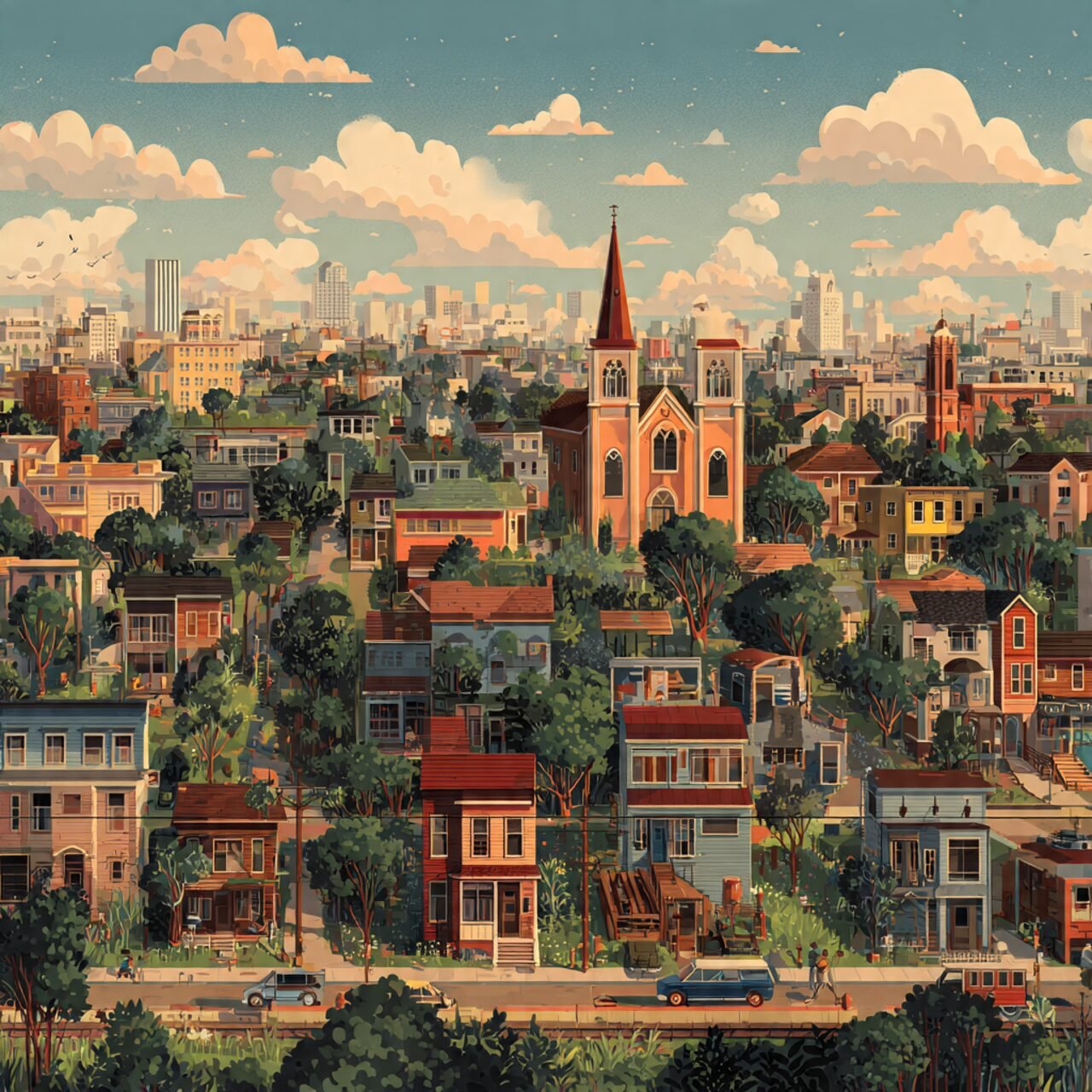
The year 2026 is proving to be a revolutionary year in terms of coffee culture as third wave coffee neighborhoods have completely changed the map of international cities. This new trend of third wave coffee brings not only the quality of coffee but also the entire coffee experience to the center, where special attention is paid to every stage of coffee production, preparation and presentation. In 2026, these neighborhoods are where locals actually hang out, not just tourists. They are connected to the city’s main transit system and are completely safe even in the evenings. What makes these neighborhoods special is that coffee shops are not just businesses but also cultural hubs where locals meet, exchange ideas, and build community. In 2026, these Third Wave neighborhoods have redefined the concept of urban living and made coffee an integral part of everyday life. This change is not just a temporary trend but a permanent cultural shift that will deepen in the years to come. In these neighborhoods, every cup of coffee tells a story, every sip offers an experience, and every encounter lays the foundation for a new relationship.
Heading: Characteristics of Third Wave Neighborhoods and Their Cultural Context
The Third Wave Neighborhoods of 2026 have some distinctive characteristics that set them apart from traditional coffee shops. The first feature is that each coffee shop here pays special attention to the sourcing of coffee beans. They buy coffee beans directly from small farmers and ensure their quality. The second important feature is the use of modern methods of coffee preparation such as pour-over, siphon, and cold brew methods. The third feature is the local and organic snacks served with coffee. The fourth feature is the design and atmosphere of these neighborhoods, which are minimalist and sustainable. The fifth feature is that these coffee shops support local artists and community events. In 2026, these Third Wave Neighborhoods are not just places to drink coffee, but also cultural centers where local people express their creativity. These neighborhoods are the heart of the city’s cultural life, where new ideas are born and community ties are strengthened. Another important feature is that the baristas here are not only experts in making coffee, but also have a deep knowledge of the history, geography, and culture of coffee.
Heading: Identifying Safe Third Wave Neighborhoods Near Transit
In 2026, it became much easier for tourists to identify safe Third Wave neighborhoods near transit. Berlin’s Kreuzberg area is a prime example, located near a U-Bahn station and safe even in the evening. The coffee shops here not only serve high-quality coffee but are also a meeting place for locals. Seoul’s Seongsu-dong area, known as the “Brooklyn of Seoul,” is located near the Seongsu metro station. The area is famous for the conversion of old factories into new coffee shops and art galleries. Melbourne’s Fitzroy Neighborhood is connected to the tram network and its coffee shops are a top priority for locals. Tokyo’s Kiyosumi-Shirakawa area is located near the Tokyo Metro and its coffee shops offer a beautiful blend of traditional Japanese culture and modern coffee culture. Barcelona’s Gracia area is easily accessible by metro and its coffee shops are packed with locals. The Dorsoduro area of Venice is located near vaporetto stops and the coffee shops here offer a modern take on traditional Italian coffee culture.
Heading: The Importance of Third Wave Neighborhoods for Locals
In 2026, Third Wave Neighborhoods are no longer just coffee shops for locals, but have become an important part of their daily lives. These neighborhoods are places for locals to work, socialize, and relax. These coffee shops are where locals start their mornings, have lunch, and spend time with friends in the evenings. In 2026, these neighborhoods are an important part of the local economy, where small businesses are thriving. Locals prefer these coffee shops because they not only serve high-quality coffee, but they also provide a sense of community. The owners of these coffee shops are locals who believe in giving back to the community. They display art by local artists, organize performances by local musicians, and support local charities. In 2026, these Third Wave Neighborhoods have become an important part of the local identity. Residents here consider them their cultural heritage and play an active role in its preservation and development.
Heading: Trends and Future Predictions for 2026 and Beyond
There are prospects for further growth in Third Wave Coffee Neighborhoods after 2026. According to experts, between 2026 and 2030, Third Wave Coffee Neighborhoods will focus more on sustainability and eco-friendliness. Coffee shops will run entirely on renewable energy sources. The use of biodegradable packaging will become common. Water conservation techniques will be adopted. AI-based coffee recommending systems will be introduced that will recommend coffee according to the personal preferences of consumers. Virtual coffee tastings will be held. Smart cups will be introduced that will monitor the temperature and quality of coffee. Co-working spaces will be given more importance in coffee shops. More attention will be paid to sourcing local coffee beans. Coffee shops will not only serve coffee but also provide coffee education. These trends will make Third Wave Coffee Neighborhoods more dynamic and diverse in the future. In addition, technologies like augmented reality menus and blockchain-based supply chain tracking will revolutionize the world of coffee.