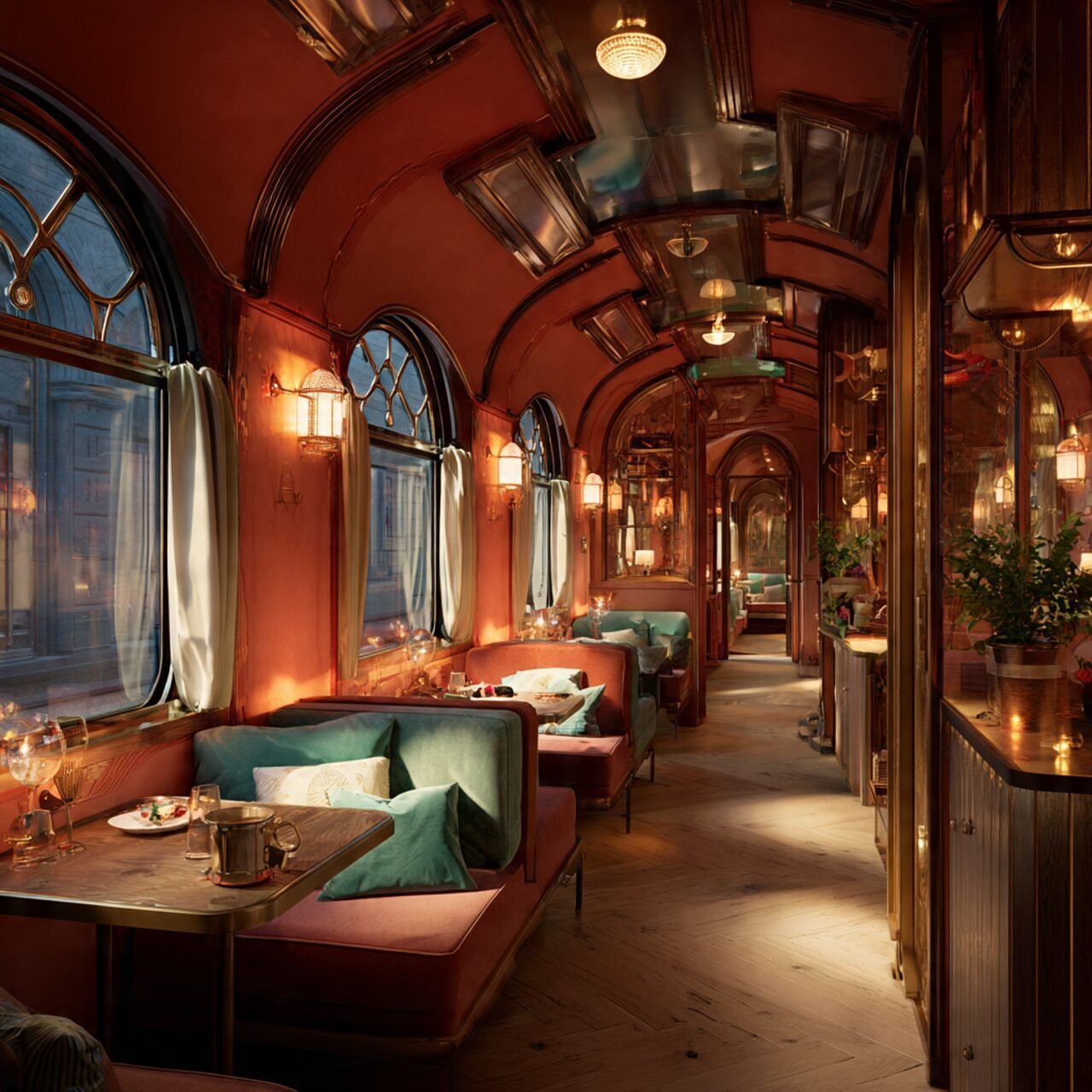
Sleeper-Train Renaissance 2026: How to Plan Paris–Berlin Nights and Still Enjoy Mornings
Introduction
The rails of Europe are humming with a new, old energy. The sleeper train, once a romantic relic of a bygone era, is in the midst of a full-blown renaissance, championed by a generation of travellers seeking slower, more sustainable, and profoundly more human journeys. By 2026, the flagship route between the City of Light and the capital of cool—Paris to Berlin—has been perfected. This is not the cramped, uncertain travel of the past; it is a seamless, stylish, and efficient mode of transport that gifts you the most precious modern commodity: time. The magic lies in the equation: one Parisian evening + a restful night on rails = a full, fresh morning in the heart of Berlin. But this alchemy requires thoughtful planning. This guide is your blueprint for mastering the new golden age of overnight travel, ensuring you step off the train not weary, but ready to conquer the day.
The New Era of Night Trains: More Than Just a Journey
The Paris–Berlin night train, operated by the likes of European Sleeper or ÖBB Nightjet, represents the pinnacle of this revival. It’s a response to the climate-conscious traveller’s plea and the savvy urban explorer’s dream. The core value proposition is transformative: you do not lose a day to transit. Instead, you effectively “teleport” between city centres while you sleep, all while reducing your carbon footprint by up to 90% compared to an equivalent flight. The carriages rolling in 2026 are state-of-the-art, featuring improved soundproofing, modern climate control, and secure, smooth-running gear. This is a travel experience in itself—a chance to disconnect, to read a novel with the rhythm of the rails, to share a drink with fellow travellers in the couchette, and to fall asleep in one nation’s countryside and wake up in another’s capital. It’s a deliberate choice to make the journey a highlight, not a hassle.
Booking Your Cabin: Choosing Your Class of Slumber
Your choice of accommodation is the single most important factor determining the quality of your sleep and, consequently, your morning. The modern sleeper offers a tiered system to suit every comfort level and budget. The Couchette is the social and economical option: a compartment with four or six bunk-style beds, with fresh linen and a pillow provided. It’s cozy and perfect for groups or the budget-adventurous, but light sleepers may find it challenging. The Classic Sleeper Cabin is the gold standard for the solo traveller or couple. It’s a private compartment with one or two comfortable beds, which often convert to a seating area during the evening. This includes a welcome amenity, breakfast, and access to a private washbasin. For the ultimate experience, the Deluxe Sleeper Cabin offers a private ensuite shower and toilet, superior bedding, and a more spacious compartment for true, hotel-level comfort. For a morning in Berlin where you feel truly rested, investing in a private sleeper cabin is not an indulgence; it’s a strategic travel decision.
The Art of Packing: Your On-Board Overnight Kit
Packing for a sleeper train is a unique skill. You will not have access to your main luggage once it’s stored, so a thoughtfully prepared overnight bag is non-negotiable. This is your key to a refreshed morning. Essentials include: Comfortable Loungewear or Pyjamas (not the clothes you wore all day), Slip-on Shoes or Slippers for walking to the bathroom, Toiletries (toothbrush, toothpaste, facial wipes, and moisturiser in a clear bag), and a Change of Clothes for the next morning. Critical extras are a Refillable Water Bottle, Earplugs and an Eye Mask (the ultimate saviours for light sleepers), and a Portable Power Bank—while newer trains have more sockets, it’s wise to have a backup. Finally, pack your next morning’s essentials—a fresh shirt, your wallet, passport, and phone—in this same bag. This way, you can dress and disembark without ever needing to open your main suitcase.
The Evening Ritual: Boarding and Unwinding in Paris
Your journey begins not with stress, but with ceremony. Boarding at the Gare de l’Est in Paris is a calm, scheduled affair. Arrive at least 45 minutes before departure. Find your carriage, where a train attendant will check your ticket and direct you to your compartment. Once settled, this is your time to unwind. If you’ve booked a sleeper, your attendant may offer a welcome drink. Change into your comfortable clothes. Then, explore the train. Take a stroll to the seating lounge car, if available, and enjoy a glass of wine as the Parisian suburbs gradually give way to the French countryside. Alternatively, retreat to your private compartment with a book. The goal is to signal to your body and mind that the day’s travel is over, and it’s time to relax. Avoid screens before bed; the gentle rocking of the train is your natural lullaby.
Mastering the Night: Strategies for a Solid Sleep on Rails
The number one question for sleeper-train novices is: “Will I actually sleep?” The answer is a resounding yes, if you employ the right tactics. First, embrace the motion. The rhythmic, predictable swaying is deeply soothing; think of it as a giant rocking cradle. Second, use your tools. Your earplugs and eye mask will create a sensory-deprivation cocoon, blocking out corridor noises and unexpected station lights. Third, control your climate. Use the air vent above you to create a comfortable flow of fresh air. Fourth, secure your space. Ensure your compartment door is locked and your valuables are stowed safely with you, granting you peace of mind. If you’re a light sleeper, a natural sleep aid like melatonin can be helpful for the first trip. The gentle braking and acceleration are normal; don’t fight them. Let the train carry you, and you’ll be surprised how quickly you drift off.
The Grand Arrival: Seamlessly Stepping into Your Berlin Morning
The magic culminates at around 8:30 AM as you glide into Berlin Hauptbahnhof, the city’s stunning central station. You’ve already won the day: you’re rested, and you’re directly in the city centre, with no airport transfers or traffic jams ahead of you. Here’s how to capitalise on that advantage. Upon waking, your attendant will have likely delivered a simple breakfast—a coffee, a croissant, a juice. Enjoy this in your compartment as you watch Berlin wake up outside your window. Freshen up: brush your teeth, wash your face, and change into the fresh clothes from your overnight bag. You will step onto the platform feeling clean and composed. Your main luggage is retrieved effortlessly on your way out. By 9:00 AM, while flight passengers are still navigating baggage claim, you are already in the heart of the city, ready to explore.
Conquering Berlin from the Get-Go: A Morning Itinerary
With a full morning ahead and no check-in times to worry about (most hotels and hostels will hold your luggage), you can dive straight into Berlin. From the Hauptbahnhof, you are perfectly positioned. Drop your bags at your accommodation or use a station locker. Then, choose your adventure: Option 1: The Historic & Political. Walk across the Moltkebrücke bridge towards the Reichstag Building (book your free dome visit in advance for stunning city views) and the Brandenburg Gate. The Memorial to the Murdered Jews of Europe is a powerful, poignant nearby site. Option 2: The Cultural & Cool. Jump on a quick U-Bahn ride to Museumsinsel (Museum Island) or to Hackescher Markt to explore the iconic Hackesche Höfe courtyards and the vibrant streets of Mitte. Option 3: The Leisurely & Local. Find a classic Berlin Bäckerei for a second, more substantial breakfast of coffee and a Schrippe (roll), or stroll along the River Spree. Your early arrival gives you the luxury of a slow, purposeful start while the city is still fresh.
Pro-Tips for the 2026 Traveller: Booking, Budgeting, and Beyond
To truly master the Paris–Berlin sleeper in 2026, keep these final tips in mind. Book Early: The best cabins, especially the affordable single sleepers, sell out months in advance. Set a alert and book as soon as your dates are firm. Be Date-Flexible: Travelling on a Tuesday or Wednesday night is often cheaper and less crowded than weekends. Loyalty Pays: If you plan multiple rail journeys, look into a rail pass like Interrail/Eurail, which can offer discounts or only charge a accommodation supplement on night trains. Digital Detox: Use the journey as a chance to disconnect. The limited connectivity (though improving) is a feature, not a bug. Embrace the offline time. Hydrate: The train air can be dry. Drink more water than you think you need in the evening to wake up feeling truly fresh. By following this guide, you’re not just booking a ticket; you’re investing in an experience that redefines what modern travel can be—sustainable, efficient, and richly rewarding. Welcome to the sleeper-train renaissance.