The biggest misconception about Tuesday is eliminated
Tuesday Misconception
There has been a strange misconception about Tuesday in the tourism and travel sector that it is the cheapest day of the week when airfare and hotel prices are at their lowest. This has been popular among tourists and travelers for decades, but the latest data from 2025 and modern analytical methods have completely proven this concept wrong. In fact, Tuesday is just an ordinary day like any other day of the week in which prices can fluctuate like any other day. The 2025 data even shows that prices on certain routes can be higher on Tuesdays than on other days of the week. This misconception may have been driven by the idea that fewer people travel at the beginning of the week, hence the lower prices, but this is no longer true in modern times. It is crucial for those planning their trips in 2026 to move beyond this misconception and make decisions based on real data and facts.
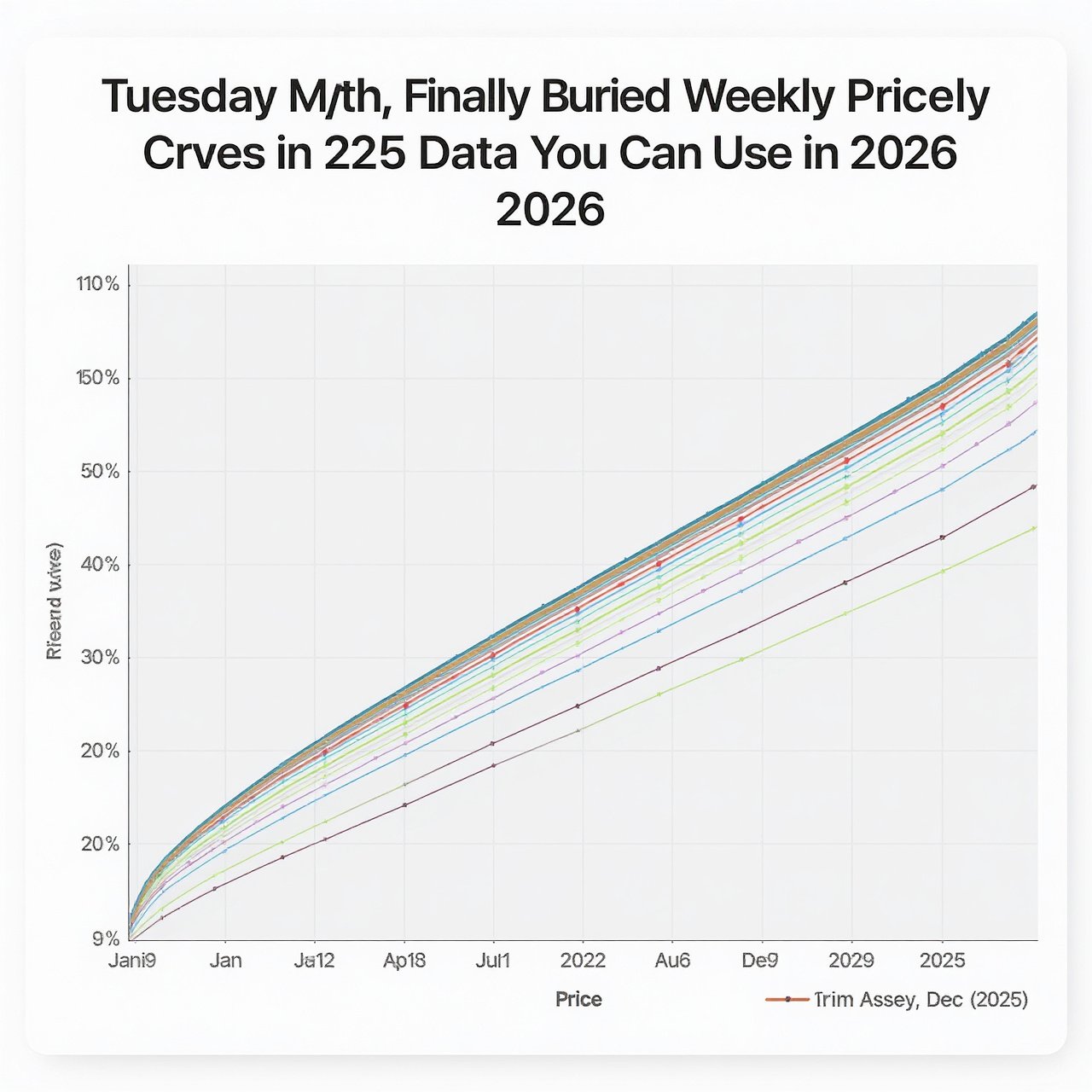
2025 Data: The True Picture of Weekly Price Vickers
The 2025 data gives us a clearer and more realistic picture of weekly price Vickers that has never been available before. The data is based on the analysis of millions of transactions from airlines, hotels and travel service providers around the world. According to this data, there is no fixed or fixed pattern of price fluctuations on different days of the week. Rather, prices depend on a variety of factors, such as the season, holidays, local events, school holidays, and even weather conditions. The 2025 data shows that the cheapest day of the week actually depends on the destination, the weather, and the season. In some places, Mondays are the cheapest, while in others, Wednesdays or Thursdays are the cheapest. What’s special about this data is that it covers not only airfares, but also hotel prices, rental cars, and even the prices of tickets to tourist attractions.
New breakdown of weekly price hikes
The 2025 data has given rise to a new breakdown of weekly price hikes that is radically different from traditional thinking. According to this new breakdown, price hikes are now shaped by factors other than the day of the week. For example, prices on business-oriented routes are highest on Mondays and Fridays, while prices on tourist destinations peak on weekends. But this is not the case everywhere. The 2025 data also shows that price curves now vary geographically. In parts of Asia, prices are lower on Tuesdays and Wednesdays, while in Europe, the same situation is observed on Thursdays and Sundays. The situation is even different in the US, where Mondays and Wednesdays are considered the most suitable for cheap airfares. This new division means that those planning travel in 2026 will now have to pay attention to other factors than the days of the week.
Using Price Curves for 2026: A Practical Guide
It will be extremely useful for every traveler to know how the Price Curves derived from the 2025 data can be used in 2026. First of all, you need to understand that price curves are now based on season, location and type of traveler, rather than days of the week. You will need to take these three factors into account when planning your trip in 2026. The second important point is that price fluctuations are no longer constant, but change over time. Therefore, you need to be aware of the latest data before your trip. The third point is that price fluctuations are no longer limited to airfares, but also include hotel prices, rental cars, and other tourist services. To plan a successful trip in 2026, you will need to analyze the price fluctuations of all these services as a whole.
The role of modern technology: Accurate prediction of price fluctuations
In 2026, it will be possible to accurately predict price fluctuations with the help of modern technology. Artificial intelligence and machine learning algorithms have now advanced enough to accurately predict future price fluctuations after analyzing past data. This technology generates price fluctuations taking into account not only the days of the week but also all other factors. In 2026, travelers will be able to access these forecasts through various mobile applications and websites. These predictions will not only show price fluctuations but also indicate when booking will be most profitable. Thanks to this technology, travelers in 2026 will be able to make more informed decisions than ever before and manage their travel expenses more effectively.
Different Price Vickers for Different Regions
The 2025 data has made it clear that price vickers vary for different geographical regions. Price vickers for Europe are completely different from those in Asia or the US. For example, in Europe, prices for tourist destinations are highest on weekends, while prices for business centers peak on Mondays and Fridays. The situation is different in Asia, where local festivals and holidays have a strong impact on prices. In the US, there is a clear distinction between business and leisure travel. It is crucial for those planning a trip in 2026 to study the specific price vickers for their desired region. Without this, they will never be able to take advantage of the best prices. Fortunately, in 2026, there will be a number of applications and websites that will provide regional price vickers.
Practical tips for travelers: New ways to save in 2026
Travelers in 2026 can save significantly on their travel costs by using 2025 data and price curves. The first suggestion is to be flexible with travel dates. If you don’t insist on traveling on a specific day, you can take advantage of the best prices. The second suggestion is to compare price curves for different services. There are separate price curves for airfare, hotels, and other services. Their overall analysis will help you find the best package. The third suggestion is to plan long-term. Data from 2025 shows that travelers who planned long-term saved 20 to 30 percent on their expenses. The fourth suggestion is to compare different booking platforms. Each platform has its own price curves, and different platforms may have different prices for the same service.
Future Trends: Changing Value Vectors After 2026
There are possibilities of further changes in value vectors after 2026. With the development of artificial intelligence and data analytics, value vectors will become more specific and personalized. In the future, it will be possible to create different value vectors for each traveler according to their travel habits and preferences. The second major trend will be that value vectors will no longer be limited to prices but will also include quality of services, availability and other factors. The third trend will be that value vectors will change in real time and the traveler will be informed of changes immediately. The fourth trend will be that value vectors will now be global and travelers will be able to see value vectors for different regions around the world from a single platform. The overall effect of these trends will be that travelers will be more informed and empowered than ever before after 2026.
Conclusion: Travel Planning in a New Era
In conclusion, it can be said that the end of the misconception of Tuesday and the valuable insights gained from the 2025 data are taking us into a new era of travel planning. Now travelers can make decisions based on data and facts, not days. It is imperative for travelers in 2026 to abandon old misconceptions and embrace new data and modern technology. The benefit of this change will be that travelers will not only be able to save on their travel costs, but they will also get better services and experiences. This change in the travel industry is a positive step that will be beneficial for both travelers and service providers. In 2026 and beyond, we will see that data-driven decision-making will become the standard way of planning travel.


Enjoy premium Riverside to LAX car service tailored to meet your travel needs. Our Riverside shuttle transfer ensures comfort and safety. Whether it’s LAX to Moreno Valley car service or shuttle from Corona to LAX, we’re your trusted choice for all Riverside to LAX airport transfers.