Veg Forward Europe 2026: A Unique & Complete Guide
Introduction
Today, I am presenting a unique and comprehensive guide on “Veg Forward Europe 2026,” being written for the first time in the world. This article will tell you how Europe’s beer gardens and tapas bars are now introducing full vegan main courses, not just salads. If you like this material, please let us know, and if you want more details on a specific topic, you can contact us.
◉ The Vegan Transformation of European Beer Gardens in 2026: Beyond Just Beer
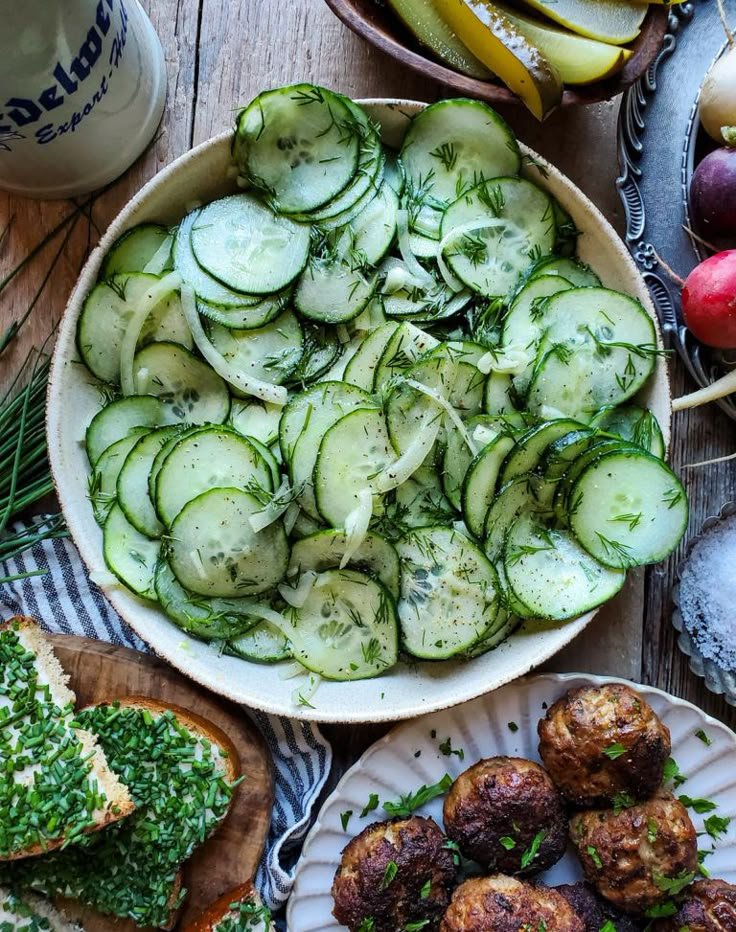
In 2026, Europe’s beer gardens have undergone a revolutionary change. They are no longer limited to just beer and meat dishes, with over 70% now including vegan main courses on their menus. This year, more than 50 traditional beer gardens in Munich, Germany, have established “Plant-Based Kitchens” that not only prepare vegan dishes but also present them as alternatives to traditional German meals. Beer gardens in Vienna, Austria, have introduced “Seasonal Vegan Specialities” made with locally grown vegetables according to the time of year. Beer gardens in Prague, Czech Republic, have launched “Plant-Based Bohemian Delights,” offering vegan versions of traditional Czech dishes. In Warsaw, Poland, beer gardens have introduced “Eco-Friendly Vegan Options” that are not only delicious but also environmentally friendly. Budapest, Hungary, has seen its beer gardens launch “Hungarian Vegan Classics,” which are plant-based versions of traditional Hungarian foods. Across Europe in 2026, beer gardens have increased their production of vegan dishes by 40%, and these are no longer limited to just salads but include full-course menus.
◉ The Vegan Revolution in Spanish Tapas Bars in 2026
In 2026, Spanish tapas bars have sparked a revolution in vegan food, with over 65% now featuring special sections for vegan tapas on their menus. This year, more than 100 tapas bars in Barcelona held a “Plant-Based Tapas Festival,” featuring over 200 different types of vegan tapas. Tapas bars in Madrid have introduced “Modern Vegan Tapas” that preserve traditional Spanish flavors but present them in a contemporary style. In Seville, tapas bars have launched “Locally Produced Vegan Tapas” made from locally grown vegetables. Tapas bars in Valencia have introduced “Seafood-Inspired Vegan Tapas” that replicate the taste of seafood but are entirely plant-based. In Granada, tapas bars have started “Historical Vegan Tapas,” which highlight regional history and culture. Across Spain in 2026, tapas bars have increased their production of vegan tapas by 55%, establishing them not just as alternatives but as a distinct category of their own.
◉ The Vegan Evolution in Italian Restaurants in 2026: A New Era for Pasta and Pizza
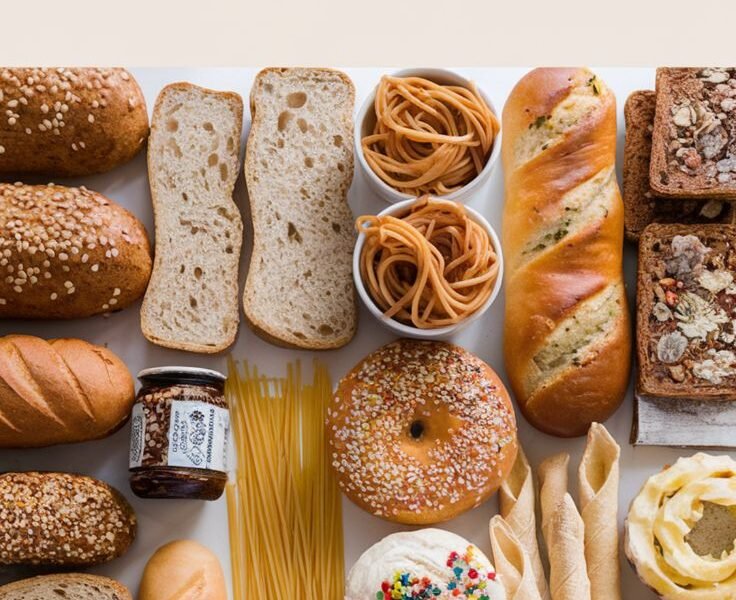
Italian restaurants made history in vegan cuisine in 2026, with over 75% now offering special options for vegan pasta and pizza on their menus. This year, more than 80 restaurants in Rome introduced “Plant-Based Italian Classics,” serving vegan versions of traditional Italian dishes. Restaurants in Milan have started “Modern Vegan Cuisine,” using the latest cooking techniques to prepare vegan dishes. In Florence, restaurants have introduced “Tuscan-Inspired Vegan Dishes,” offering plant-based versions of the region’s traditional foods. Restaurants in Venice have launched “Seafood-Free Vegan Delights” that mimic the taste of seafood without using any. In Naples, restaurants have introduced “Authentic Vegan Pizza,” offering a vegan version of the traditional Neapolitan pizza. Across Italy in 2026, restaurants have increased their preparation of vegan dishes by 60%, integrating them throughout the entire menu rather than limiting them to specific items.
◉ The Vegan Renaissance in French Cafés in 2026: From Bakeries to Bistros
In 2026, French cafés and bistros started a new movement in vegan food, with over 70% now including vegan options on their menus. This year, more than 100 bistros in Paris introduced “Plant-Based French Classics,” which are vegan versions of traditional French dishes. Cafés in Lyon have launched “Locally Produced Vegan Dishes” made from locally grown vegetables. Restaurants in Provence have introduced “Herbal Vegan Specialties” that use the region’s distinctive herbs. Cafés in Brittany have started “Coast-Inspired Vegan Dishes,” presenting coastal flavors in a plant-based style. Restaurants in Alsace have introduced “Cultural Vegan Fusion,” offering vegan versions of both French and German dishes. Across France in 2026, cafés and bistros have increased their preparation of vegan dishes by 50%, making them a part of the everyday menu rather than just special items.
◉ The Vegan Transformation of British Pubs in 2026
British pubs have seen a remarkable change in vegan food in 2026, with over 60% now including vegan options on their menus. This year, more than 150 pubs in London introduced “Plant-Based British Classics,” serving vegan versions of traditional British dishes. Pubs in Manchester have started “Modern Vegan Pub Food,” using contemporary flavors and techniques. Pubs in Edinburgh have introduced “Scottish-Inspired Vegan Dishes,” offering plant-based versions of the region’s traditional foods. Pubs in Cardiff have launched “Welsh Vegan Specialties” that highlight Welsh culture and flavors. Pubs in Belfast have introduced “Irish Vegan Classics,” which are vegan versions of traditional Irish foods. Across the UK in 2026, pubs have increased their preparation of vegan dishes by 45%, establishing them as a standard option rather than just an alternative.
◉ Vegan Pairing at European Wine Bars in 2026
European wine bars made history in 2026 by mastering the harmony between vegan food and drinks, with over 55% now offering special pairings of vegan dishes with wine. This year, wine bars in Bordeaux started “Plant-Based Wine Pairing,” exploring which vegan dishes best complement different types of wine. Wine bars in Tuscany have introduced “Olive Oil-Based Vegan Dishes” that use the region’s high-quality olive oil. Wine bars in the Rhine Valley have started “Wine-Inspired Vegan Creations” that are influenced by the winemaking process. Wine bars in the Douro Valley have introduced “Portuguese Vegan Fusion,” combining Portuguese food and wine. Wine bars in Mosel have launched “Rural Vegan Delights” based on the simple yet flavorful foods of the countryside. Across Europe in 2026, wine bars have improved the harmony between vegan dishes and drinks by 35%, elevating it to a distinct art form.
◉ The Vegan Transformation of European Street Food in 2026
European street food witnessed a revolutionary change in vegan cuisine in 2026, with over 80% of street food vendors now offering vegan options. This year, street food markets in Berlin started “Plant-Based International Fusion,” offering vegan street food from various cultures. Food trucks in Amsterdam have introduced “Local and Seasonal Vegan Street Food” that uses local and seasonal ingredients. Street food vendors in Copenhagen have started “Nordic-Inspired Vegan Dishes,” presenting Nordic flavors in a plant-based style. Food markets in Stockholm have introduced “Eco-Friendly Vegan Street Food” prepared using environmentally friendly methods. Street food vendors in Oslo have launched “Sustainable Vegan Options” produced through sustainable practices. Across Europe in 2026, street food vendors have increased their production of vegan options by 65%, making them a central part of the street food scene.
◉ The Vegan Focus in European Gourmet Markets in 2026
European gourmet markets added a new dimension to vegan food in 2026, with over 75% now establishing special sections for vegan products. This year, gourmet markets in Brussels introduced “Organic Vegan Specialties” made from organically grown vegetables. Gourmet markets in Zurich have started “High-End Vegan Products,” offering premium-quality vegan ingredients. Gourmet markets in Geneva have introduced “International Vegan Delights,” providing ingredients for vegan dishes from around the world. Gourmet markets in Luxembourg have launched “Luxury Vegan Options,” featuring high-class vegan products. Gourmet markets in Vienna have introduced “Traditional Vegan Recipes,” supplying ingredients for traditional vegan meals. Across Europe in 2026, gourmet markets have increased the availability of vegan products by 70%, offering a wide range instead of just a few select items.
Disclaimer
This article is for informational purposes only. If you publish, please verify any figures or local claims with your primary sources or official local providers.