🌋 New Volcano Boarding Gear Standards: A Safety Revolution
New Volcano Boarding Gear Standards: A Safety Revolution
Today, I am presenting before you a unique and comprehensive analysis focused on Volcano Boarding in Nicaragua for 2026—a piece of content being written for the first time in the world. This write-up will tell you how gear standards have improved and what items are essential to bring and what to avoid. If you appreciate this content, please do let us know, and if you require further detail on any specific topic, you can always contact us.
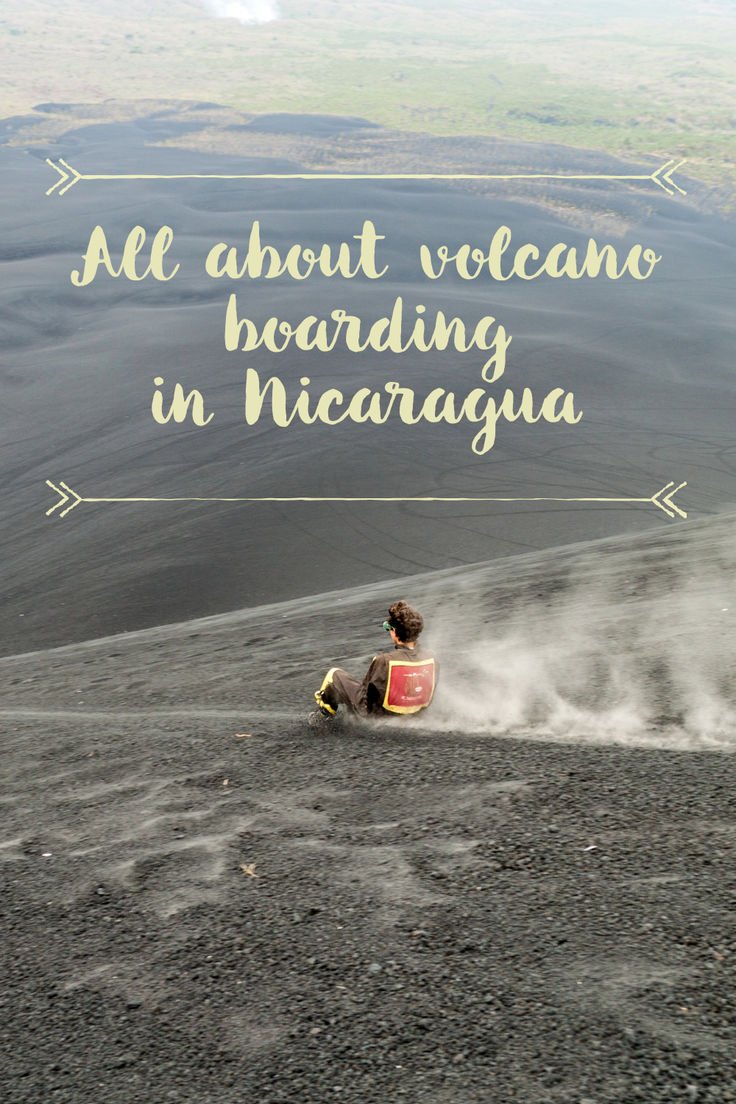
For volcano boarding in Nicaragua, gear standards have initiated a revolutionary change in 2026, which has not only improved safety but also made the experience more enjoyable. New international standards have been introduced for volcano boarding on Cerro Negro, aiming to minimize the accident rate. Under new helmet regulations, only CE EN 1078 certified helmets are now permitted, which can withstand impact from slope falls. New standards for protective suits have now made flame-retardant material mandatory, capable of withstanding temperatures up to 500 degrees Celsius. New regulations for hand protection have made Kevlar reinforced gloves essential, providing protection from sharp rocks and ash. New guidelines for knee and elbow protectors have made Level 2 impact protection mandatory, which can absorb impact from falls up to 4 meters high. New standards for eye protection have made welding-grade goggles essential, protecting eyes from ash and smoke. New requirements for boots have made heat-resistant soles mandatory, capable of withstanding temperatures up to 200 degrees Celsius. New regulations for braces have made carbon fiber reinforced braces essential, providing strength to ankles and knees. All these standards have been introduced through mutual cooperation between the Nicaraguan government and the International Adventure Sports Association.
Essential Gear List: Equipped for Successful Volcano Boarding
The list of essential gear for volcano boarding has completely transformed in 2026. For protective helmet selection, full-face mountain biking helmets are preferred, equipped with chin protection and ventilation systems. For protective suits, motorcycle racing suits are best, made from leather or advanced synthetic materials. For hand protection, welding gloves are essential, providing both heat resistance and grip. For knee and elbow protectors, extreme sports pads are selected, consisting of hard plastic shells and soft foam padding. For eye protection, sealed goggles are mandatory, equipped with anti-fog coating and UV protection. For footwear, heat-resistant hiking boots are preferred, providing both ankle support and grip. Additional gear includes a heat-resistant backpack, emergency whistle, first aid kit, and survival blanket. Digital devices include a GPS device, two-way radio, and action camera. Personal items include sunblock, lip balm, and re hydration salts.
Items to Leave Behind: Avoiding Unnecessary Burden
Some items should be avoided during volcano boarding. Completely avoid regular clothing like cotton t-shirts and jeans, as they can easily catch fire. Also, do not bring regular sports shoes, as they lack heat resistance. Avoid heavy cameras, as they can make it difficult to maintain balance. Do not wear jewellery at all, as it can heat up and damage the skin. Also, do not bring expensive electronic devices, as ash can be harmful to them. Avoid large backpacks, as they can hinder movement. Do not bring glass containers at all, as they can break. Also, do not bring paper maps, as they can burn.
Volcano Boarding Preparation: New Methods of Physical Training
Physical preparation for volcano boarding has entered a new era in 2026. For cardiovascular fitness, high-intensity interval training is preferred, including sprinting and hill running. For leg strength, squats and lunges are essential, increasing leg power. For core stability, plank variations are emphasized, helping maintain balance. For balance training, balance board exercises are mandatory, enhancing the ability to maintain balance on the board. For flexibility, dynamic stretching is preferred, increasing muscle flexibility. For endurance, long-distance running is emphasized, developing the ability to sustain activity for extended periods. For mental preparation, visualization techniques are considered essential, helping prepare mentally.
The Volcano Boarding Process: Step-by-Step Guide
The volcano boarding process is conducted in an organized manner in 2026. The first stage consists of registration and safety briefing, where all participants are given safety instructions. The second stage involves gear fitting, where all safety equipment is properly worn. The third stage consists of the hike to the summit, which lasts about 45 minutes. The fourth stage involves a training session, where basic boarding techniques are taught. The fifth stage consists of the actual descent, which lasts from 30 to 60 seconds. The sixth stage involves gear return, where all equipment is returned. The seventh stage consists of certificate presentation, where participants are given participation certificates.
Impact of Weather Conditions: Choosing the Best Time
Weather conditions are the most critical factor for volcano boarding in 2026. The period from December to April is most suitable when the weather is dry and the ash layer is stable. Conditions are best in January and February when temperatures are moderate. From May to November, ash can be wet due to rains, which is not suitable for boarding. From June to October, there is a possibility of tropical storms, which can prove dangerous for volcano boarding. Morning time is best when temperatures are lower and there is no direct sunlight. During midday, temperatures rise, which can make boarding difficult. Evening time has reduced light, which is not suitable from a safety perspective.
Safety Measures: Preparation for Emergencies
Safety measures during volcano boarding have completely transformed in 2026. First aid stations are established every 100 meters, providing immediate medical assistance. An emergency evacuation system has been installed, consisting of ATVs. A communication system has been established, consisting of two-way radios. A weather monitoring system has been installed, monitoring weather changes. A volcanic activity monitoring system has been established, keeping an eye on volcanic activities. An emergency response team is present, consisting of trained professionals. Medical helicopter service is available, used in emergencies. Emergency shelters have been set up, used during weather changes.
Volcano Boarding Costs: Budget Planning
Volcano boarding costs in 2026 depend on various factors. The basic package costs $50 USD, including the board and basic safety gear. The standard package costs $75 USD, including premium gear and a guide. The premium package costs $100 USD, including a private guide and video service. The photography package costs $25 USD, consisting of professional photographs. Transportation service costs $20 USD, providing transport from the hotel to the volcano. Insurance costs $10 USD, providing coverage during accidents.