

Travel with kids can be fun, affordable and far less stressful than you think. With good planning, the right packing list and a few proven tricks, family trips become the adventures your children remember for years.
This guide is for parents in the USA, the UK, Canada and beyond who want to travel with kids of any age, from babies to teenagers. You will find 25 practical tips covering planning, flights, road trips, hotels, safety, money and keeping everyone happy along the way.
Travel with kids: the 5 golden rules
- Plan less, enjoy more: one or two main activities a day is enough.
- Pack snacks: hungry children are unhappy children.
- Keep routines: protect naps and bedtimes where you can.
- Book family-friendly stays: space, a kitchen and a washing machine help a lot.
- Stay flexible: things will not always go to plan, and that is fine.
Why Travel With Kids?
Travelling as a family helps children learn about new cultures, food and languages. It builds confidence, patience and curiosity, and it gives parents precious time together away from work and screens.
Yes, it takes more planning than travelling alone. But when you travel with kids, you see the world through their eyes, and even simple things like a train ride or a new playground become exciting.
Planning Your Trip
1. Choose Family-Friendly Destinations
Some places are simply easier with children. Look for destinations with short travel times, good public transport, parks, beaches and simple food options.
Great choices to travel with kids include national parks such as Yellowstone and Banff, city breaks in London with its free museums, beach resorts with shallow water and road trips with plenty of stops.
2. Travel at the Right Time
School holidays are the most expensive and crowded time to travel. If your children are not yet in school, travel in the shoulder seasons for lower prices and quieter attractions.
For school-age children, book early for summer and holiday periods, and look for long weekends or term breaks that are less busy in your destination.
3. Keep the Itinerary Simple
The biggest mistake parents make is trying to do too much. Plan one main activity in the morning, a rest or pool time after lunch, and a short outing in the late afternoon.
Leave free days with nothing planned. Children often remember the playground or ice cream shop more than the famous museum.
4. Involve Your Children in Planning
Let children choose one activity each, look at maps together and read books or watch videos about your destination. When kids feel part of the plan, they are more excited and cooperative during the trip.
5. Check Documents Early
Children need their own passports for international travel, and processing can take several weeks. Check expiry dates for everyone and apply early.
If one parent is travelling alone with a child, carry a signed consent letter from the other parent. Some countries and airlines may ask for it, and it can prevent delays at the border.
Flying With Kids
6. Book the Right Flights
Direct flights are worth paying a little more for when you travel with kids, because connections add stress and delays. For young children, choose flight times that match nap time or bedtime for long journeys.
Book seats together as early as possible. Some airlines charge for seat selection, so check the rules before you book.
7. Know the Rules for Babies and Toddlers
On most airlines, children under two can travel on a parent’s lap, often for a reduced fare. Buying a separate seat lets you use an approved child car seat on board, which many parents find safer and more comfortable.
Many airlines also allow strollers and car seats to be checked for free. Check your airline’s policy before you fly.
8. Pack Smart for the Plane
- Plenty of snacks and an empty water bottle to fill after security
- Headphones made for children and downloaded shows or games
- Small new toys, sticker books or colouring sets
- A change of clothes for children and one top for each parent
- Wipes, tissues and hand sanitiser
- A light blanket or jumper, because planes can be cold
9. Know the Liquids Exceptions
Baby formula, breast milk and baby food are usually allowed in reasonable amounts above the normal liquids limit. Tell security officers at the start of screening. Read the details on the TSA travelling with children page if you fly in the USA, and check local rules elsewhere.
10. Help With Ear Pressure
Changes in cabin pressure during take-off and landing can hurt little ears. Babies can feed or use a dummy, and older children can drink, chew or yawn to help their ears pop.
Road Trips With Kids
11. Plan Regular Stops
Plan a break every two hours to stretch, use the toilet and run around. Choose stops with playgrounds, parks or interesting viewpoints so the journey feels like part of the adventure.
12. Bring a Car Entertainment Kit
Audiobooks, podcasts and family playlists make long drives fly by. Classic games like I Spy, number plate bingo and “20 questions” cost nothing and keep everyone talking.
13. Use the Right Car Seats
Car seat laws vary between countries and even between states and provinces. If you rent a car, book car seats in advance or bring your own, and check the local rules for your child’s age and size.
Where to Stay When You Travel With Kids
14. Choose Space Over Luxury
Apartments and family suites often work better than standard hotel rooms. A separate bedroom lets parents relax after children go to sleep, and a kitchen saves money on meals.
15. Look for Family Features
- Swimming pool or beach access
- Washing machine or laundry room
- Free breakfast
- Cots or extra beds
- Location close to parks, shops and public transport
16. Bring Sleep Essentials
A familiar blanket, a favourite toy, a night light and a portable white noise app can help children sleep in a new place. Try to keep bedtime routines similar to home.
Safety Tips When You Travel With Kids
17. Prepare for Getting Separated
Take a photo of your children each morning so you know exactly what they are wearing. Write your phone number on a wristband or a card in their pocket, and agree on a meeting point at busy places.
18. Pack a Family First Aid Kit
Include plasters, children’s pain and fever medicine, rehydration sachets, antiseptic cream, insect repellent, sunscreen and any prescription medicines. Keep medicines in your hand luggage.
19. Get Travel Insurance
Family travel insurance can cover medical costs, cancellations and lost luggage. Medical care abroad, especially in the USA, can be very expensive, so insurance is essential when you travel with kids.
20. Stay Sun and Water Safe
Use high-factor sunscreen, hats and swim shirts. Always watch children near pools, lakes and the sea, even if there are lifeguards.
Money-Saving Tips to Travel With Kids
21. Look for Free and Child-Discount Attractions
Many museums, parks and attractions are free or discounted for children. In many places, young children travel free on public transport, and Canada’s national parks are free for youth 17 and under.
22. Eat Smart
Have a big breakfast, pack picnic lunches and eat your main meal at lunchtime when menus are cheaper. Supermarkets and local markets are great for healthy snacks.
23. Pack Light
Fewer bags means lower airline fees and easier travel. Choose mix-and-match clothes, plan to do laundry and buy nappies and toiletries at your destination instead of carrying them.
Keeping Everyone Happy
24. Mix Kid Time and Adult Time
Balance activities so everyone gets something they love. A morning at the zoo can be followed by a café stop for parents, and a museum visit can end with a playground.
25. Give Children Their Own Travel Tools
A small backpack, a cheap camera or a travel journal makes children feel grown up. Older kids can help with maps, tickets and choosing restaurants, which builds confidence and keeps them engaged.
Travel With Kids by Age
| Age | What works well | Top tip |
|---|---|---|
| Babies (0–1) | Easy to carry, sleep anywhere, often fly on a lap | Use a baby carrier as well as a stroller |
| Toddlers (1–3) | Short trips, beaches, parks | Protect nap time and pack many snacks |
| Young kids (4–7) | Zoos, theme parks, easy hikes | Plan short activities with breaks |
| Older kids (8–12) | Museums, national parks, city breaks | Let them help plan the trip |
| Teenagers | Adventure activities, cities, road trips | Give them some independence and choice |
Packing List to Travel With Kids
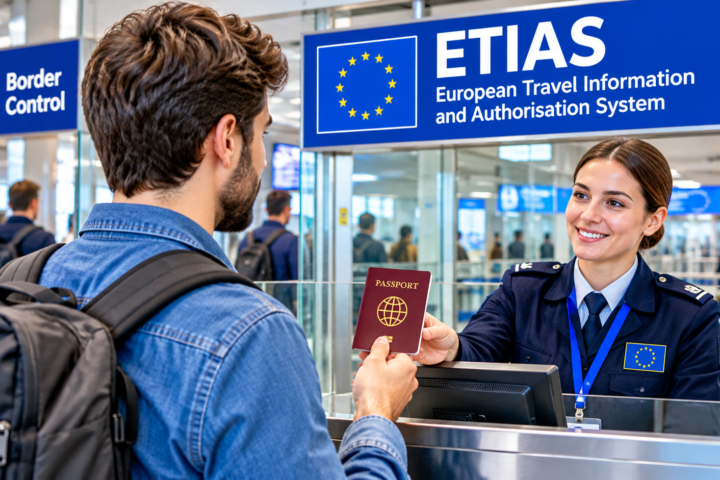
- Passports, travel authorisations and consent letters if needed
- Comfortable clothes and one smarter outfit each
- Swimwear, sun hats and sunscreen
- Rain jackets and warm layers
- Comfortable walking shoes
- First aid kit and medicines
- Snacks, refillable water bottles and wipes
- Chargers, power bank and children’s headphones
- Comfort toys and bedtime items
- Lightweight stroller or baby carrier for young children
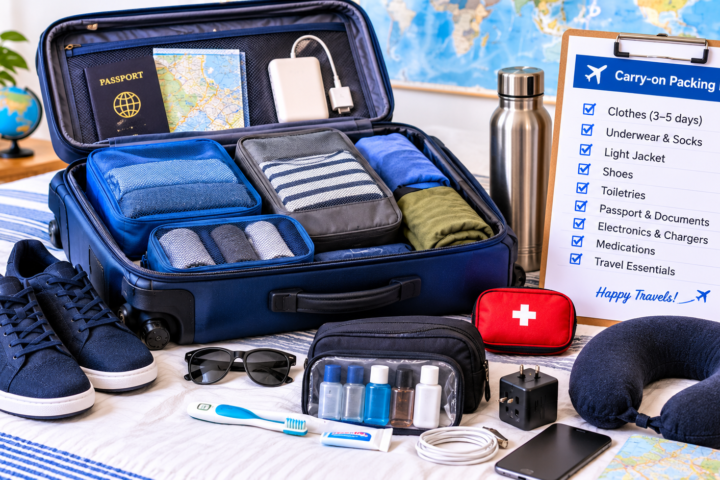
Want to pack lighter? See our carry-on packing list for smart space-saving ideas.
Best Places to Travel With Kids
- USA: national parks, beach towns and classic road trips.
- UK: London’s free museums, castles and the Scottish Highlands.
- Canada: Banff, Niagara Falls and family-friendly cities like Vancouver.
- Europe: beaches in Spain and Portugal, and easy train trips between cities.
How to Travel With Kids on a Plane: Step by Step
- Before the airport: check in online, download boarding passes and pack a small bag for each child with snacks and activities.
- At the airport: arrive early, use family security lanes where available and let children burn energy in play areas before boarding.
- Boarding: use family boarding if offered, or board last with toddlers so they spend less time sitting still.
- During the flight: bring out new toys one at a time, offer snacks often and take short walks when the seatbelt sign is off.
- Landing: keep a drink or snack ready for ear pressure and pack away small items early so nothing gets left behind.
When you travel with kids on a plane, the goal is not perfect behaviour. It is simply getting everyone to the destination safe, fed and reasonably happy.
How to Travel With Kids by Train
Trains are one of the easiest ways to travel with kids. Children can move around, look out of the window and use the toilet whenever they need to, and there are no long security checks.
Book seats around a table if you can, so you can play games and eat together. Many rail companies offer family tickets or free travel for young children, so always ask about discounts before you buy.
Tips for Picky Eaters
Food can be a challenge when you travel with kids who are fussy eaters. Pack familiar snacks from home, and look for simple dishes such as pasta, rice, bread, grilled chicken and fruit, which are available almost everywhere.
Encourage children to try one new food each day without pressure. Markets and bakeries are fun places to explore, and children are often more willing to taste something they chose themselves.
Travel With Kids as a Single Parent
Single parents can travel with kids successfully with a little extra planning. Choose accommodation with family facilities, book transfers in advance and keep luggage to a minimum so you always have a free hand.
Carry a consent letter from the other parent when needed, along with copies of birth certificates or custody documents. Joining a family-friendly tour or resort can also give you support and company along the way.
How to Handle Jet Lag With Children
Long flights across time zones can upset children’s sleep for a few days. Before you leave, move bedtime slightly earlier or later to match your destination. When you arrive, spend time outside in daylight, keep meals at local times and allow a short nap if needed, but wake children before it gets too long.
Be patient for the first two or three days. Plan easy activities close to your hotel, and avoid booking important tours on the first morning. Most children adjust faster than adults when they get plenty of daylight and fresh air.
Screen Time on the Road
Many parents worry about screen time while travelling. On long flights or drives, tablets and downloaded shows can be a lifesaver, and that is perfectly fine. During the rest of the trip, encourage children to look out of the window, take photos, draw what they see or keep a simple travel diary.
Agree on simple screen rules before you leave, such as screens only on travel days or in the evening. Clear expectations make it easier to avoid arguments once you are on holiday.
Making Memories on Family Trips
The best part of travelling together is the memories you create. Ask each child to choose a favourite moment at the end of every day and write it down in a family travel journal. Collect small, free souvenirs such as postcards, tickets and maps to stick into a scrapbook when you get home.
Take photos of everyday moments, not only famous sights. Years later, a picture of breakfast on a balcony or a muddy hike can bring back the happiest memories of the times you chose to travel with kids.
Common Mistakes to Avoid
- Planning too many activities in one day.
- Booking very early or very late flights that ruin sleep.
- Forgetting snacks and water.
- Leaving passport applications until the last minute.
- Skipping travel insurance.
- Expecting children to behave like adults on long sightseeing days.
Frequently Asked Questions
What is the easiest way to travel with kids?
Short, direct trips with simple plans are easiest. Trains and road trips with regular stops are often less stressful than long flights for young children.
What is the best age to travel with kids?
Any age can work. Babies are portable and sleep a lot, while children over five usually remember more and enjoy activities. Choose trips that match your child’s age and energy.
How do I keep kids busy on a long flight?
Bring snacks, downloaded shows, children’s headphones, small new toys, sticker books and colouring sets. Walk the aisle when it is safe to do so.
Do children need their own passport?
Yes. In the USA, the UK and Canada, children need their own passport for international travel.
Is travel insurance necessary for families?
It is strongly recommended. It can cover medical treatment, cancellations, delays and lost luggage, which can be expensive when you travel with kids.
How can I travel with kids on a budget?
Travel outside school holidays when possible, choose apartments with kitchens, use free attractions and public transport, and pack light to avoid baggage fees.
Final Thoughts
Travel with kids is not always perfect, but it is always worth it. Keep plans simple, pack snacks, protect sleep and laugh when things go wrong.
Start with a short trip close to home, learn what works for your family, and soon you will be ready for bigger adventures together. Save these tips for your next trip and enjoy every moment.
Looking for ideas? Read our Banff National Park guide, explore family travel tips or visit the TourVister home page.


1 comment