The best time to visit the UK is from May to September, when days are long, gardens bloom and the weather is at its mildest. Late spring and early autumn offer the best balance of good weather, fewer crowds and lower prices, while December brings festive lights and Christmas markets.
This guide explains the best time to visit the UK month by month and region by region, covering England, Scotland, Wales and Northern Ireland. It is written for travellers from the USA, Canada and around the world, with practical tips on weather, events, prices and the 2026 entry rules.
Best time to visit the UK: quick answer
- Best overall: May, June and September
- Warmest weather: July and August (also the busiest)
- Best for Scotland: May, June and September
- Best for Christmas magic: late November and December
- Cheapest months: January to March and November
What Is the Weather Like in the UK?
The UK has a mild, changeable climate. Summers are rarely very hot, winters are usually cool rather than freezing, and rain can fall at any time of year. The west, especially Wales, the Lake District and western Scotland, is wetter, while the south-east around London is usually drier and sunnier.
Because the weather changes quickly, the best time to visit the UK depends more on daylight, events and crowds than on finding perfect sunshine. Always pack a waterproof jacket, whatever the season. You can check forecasts on the Met Office website.
UK Seasons at a Glance
| Season | Months | Weather | Best for |
|---|---|---|---|
| Spring | March – May | Mild, fresh, some showers | Gardens, bluebells, city breaks |
| Summer | June – August | Warmest, long daylight | Festivals, coast, countryside walks |
| Autumn | September – November | Cool, colourful, more rain later | Autumn colours, quieter sights |
| Winter | December – February | Cold, short days | Christmas markets, museums, cosy pubs |
Best Time to Visit the UK: Month by Month
January
Cold, dark and quiet, but excellent value. Hotels in London and Edinburgh are often cheaper, and museums are calm. Scotland’s snowy Highlands look magical, and Burns Night on 25 January brings Scottish poetry, food and music.
February
Still wintry, with snowdrops appearing in gardens towards the end of the month. School half-term holidays make some attractions busier for a week, but hotel prices outside that week stay low.
March
Spring begins with daffodils, longer days and lower prices. St Patrick’s Day on 17 March is celebrated across Northern Ireland and in many UK cities.
April
Blossom trees, spring lambs and Easter events make April charming. Late April is the start of bluebell season in woodlands across England and Wales. Easter holidays can be busy, so book trains and hotels early.
May
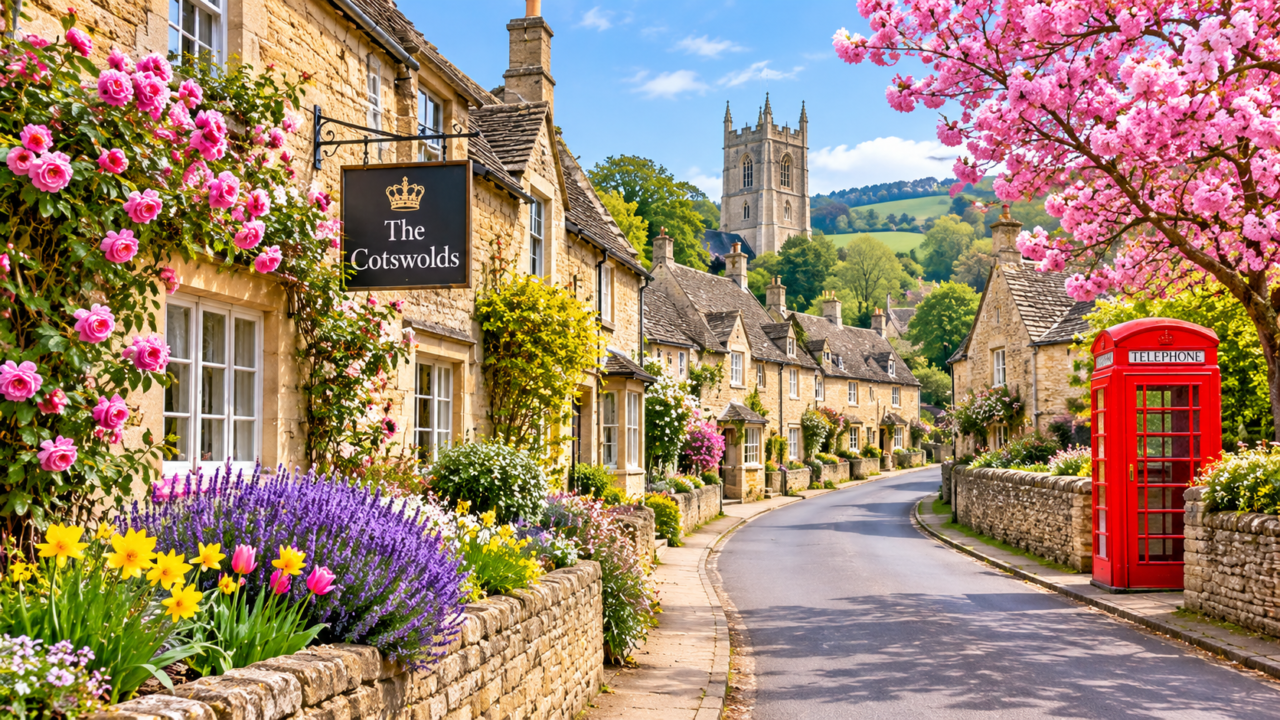
Many travellers say May is the best time to visit the UK. Gardens are in full bloom, bluebells carpet the woods, days are long and summer crowds have not arrived. The famous Chelsea Flower Show takes place in London.
June
Long days, with daylight late into the evening, especially in Scotland. June is perfect for countryside walks, garden visits and outdoor events, with Wimbledon starting at the end of the month.
July
Summer holidays begin, bringing warm weather, festivals and busy tourist spots. Book hotels early, especially in London, Cornwall and the Lake District.
August
Peak season. Edinburgh hosts its world-famous festivals, including the Fringe, and beaches and national parks are at their busiest. Prices are highest this month.
September
September is often the best time to visit the UK for good weather without the summer crowds. Children are back at school, the sea is at its warmest and the countryside is still green.
October
Autumn colours appear in parks, forests and gardens. Days are shorter and rain is more likely, but prices fall and attractions are quieter.
November
Grey and damp, but cosy. Bonfire Night on 5 November brings fireworks, and Christmas lights and markets start to open later in the month. It is also one of the cheapest months for hotels, making it a smart choice for museum-focused city breaks.
December
Festive and magical, with Christmas markets, lights, ice rinks and pantomimes. Many attractions close on Christmas Day, and transport is limited, so plan ahead.
Best Time to Visit the UK by Region
London
London is great all year round, with world-class museums for rainy days. May, June and September are ideal for walking and parks, while December is wonderful for festive lights. To save money, read our guide to London on a budget.
Scotland
May, June and September are usually the best months, with long days and fewer midges than in July and August. Winter is beautiful but short on daylight in the north. See our Scotland itinerary for a perfect 7-day route.
Wales
Late spring to early autumn is best for Snowdonia (Eryri), the coastal paths and castles. Summer is busiest on the beaches of Pembrokeshire.
Northern Ireland
May to September is ideal for the Causeway Coastal Route and the Giant’s Causeway. Belfast is a good city break at any time of year, with museums, markets and lively pubs.
Cornwall and Devon
June and September offer warm weather without the peak summer crowds. July and August are very busy, and narrow lanes can get congested.
The Lake District and Yorkshire
Late spring and early autumn are perfect for hiking, with beautiful colours and quieter trails. Bring good waterproofs, because these areas get plenty of rain.
Best Time to Visit the UK for Popular Activities
| Activity | Best time | Where |
|---|---|---|
| Gardens and bluebells | Late April – June | Kew, Cotswolds, Kent, Cornwall |
| Hiking | May – September | Lake District, Snowdonia, Highlands |
| Beaches | June – September | Cornwall, Devon, Pembrokeshire |
| Festivals | June – August | Edinburgh, Glastonbury, London |
| Autumn colours | Mid-October – early November | Scottish Highlands, Lake District, New Forest |
| Christmas markets | Late November – December | Edinburgh, Bath, Manchester, London |
Cheapest Time to Visit the UK
The cheapest months are usually January to March (outside half-term holidays) and November. Flights from North America are often cheaper, and hotels in London and Edinburgh offer good deals.
For a balance of value and weather, late April, May, September and early October are often the best time to visit the UK on a budget. Find more ways to save in our guide to finding cheap flights.
Best Time to Visit the UK for First-Time Visitors
For a first trip, the best time to visit the UK is May, June or September. Long days give you more time for sightseeing, gardens and countryside look their best and most attractions have full opening hours.
A classic first trip might combine London, a day trip to Bath or Oxford, and a few days in Edinburgh and the Scottish Highlands. Trains connect these places easily, so you do not need a car for the cities.
Best Time to Visit the UK With Kids
UK school holidays are busy: Easter, the long summer break from late July to early September, and short half-term breaks in February, May and October. If your children are not in UK schools, travelling outside these weeks means fewer crowds and lower prices.
Summer is still great for families, with beaches, castles and outdoor festivals. For more ideas, read our guide on how to travel with kids.
Daylight Hours Through the Year
Daylight changes a lot in the UK, especially in the north. In midsummer, Edinburgh can have more than 17 hours of daylight, while in midwinter it has only around 7 hours. London has slightly less variation.
Long summer evenings are one reason many people think June is the best time to visit the UK. In winter, plan outdoor sightseeing for the middle of the day and enjoy museums, theatres and pubs in the evening.
Entry Rules for 2026
Visitors from the USA, Canada and many other countries need a UK Electronic Travel Authorisation (ETA) before they travel. Apply only through the official GOV.UK ETA page or the official app, as unofficial websites often charge extra.
If you stay overnight in Edinburgh, a 5% visitor levy is now added to the cost of paid accommodation, for up to five nights in a row. The UK is not part of the Schengen Area, so if you are also visiting mainland Europe, read our guide to ETIAS and EES.
What to Pack for Each Season
- Spring: light layers, a waterproof jacket, an umbrella and comfortable walking shoes.
- Summer: t-shirts and light trousers, a warm layer for evenings, sunscreen and a rain jacket.
- Autumn: a warm jumper, waterproof coat and waterproof shoes.
- Winter: a warm coat, hat, scarf, gloves and waterproof boots.
The UK uses type G plugs, so visitors from North America need an adapter. To pack light, see our carry-on packing list.
Getting Around the UK
The UK has an extensive rail network linking London with Edinburgh, Manchester, York, Bath, Oxford, Cardiff and many other places. Booking train tickets in advance and travelling outside peak hours can save a lot of money, and railcards offer discounts for many travellers.
In London, tap in and out with a contactless card on the Tube and buses. For the countryside, national parks and remote Scotland, renting a car gives the most freedom. Remember that the UK drives on the left.
Festivals and Events Through the Year
Events can help you pick the best time to visit the UK. Spring brings the Chelsea Flower Show and the University Boat Race on the Thames. Summer is packed with music festivals, Wimbledon, Highland games in Scotland and the Edinburgh festivals in August.
In autumn, enjoy food festivals and Bonfire Night fireworks. In December, cities fill with Christmas markets, and New Year’s Eve celebrations in London and Edinburgh’s Hogmanay are famous worldwide. Book hotels early around major events, because prices rise quickly.
Best Time to Visit the UK for Countryside and Hiking
For walking and countryside trips, late spring and early autumn are the best time to visit the UK. Trails are drier than in winter, temperatures are comfortable and views are clear on many days.
Popular areas include the Lake District, the Peak District, Snowdonia (Eryri), the Yorkshire Dales and the Scottish Highlands. Mountain weather can change quickly even in summer, so carry a map, warm layers and waterproofs, and check the forecast before you set out.
Best Time to Visit the UK for Christmas
Late November and December are magical in the UK. Cities like Edinburgh, Bath, Manchester, Birmingham and London host Christmas markets with crafts, hot food and mulled wine, while famous streets and shopping areas are decorated with lights.
Many visitors also enjoy traditional pantomimes, carol concerts in historic churches and festive afternoon tea. Remember that most public transport stops on Christmas Day and services are limited on Boxing Day, so plan your travel carefully.
Best Time to Visit the UK for Castles and History
Castles, palaces and historic houses are open all year, but many smaller sites and stately homes close or reduce hours in winter. For the widest choice, the best time to visit the UK for history lovers is from April to October.
Top places include the Tower of London, Windsor Castle, Edinburgh Castle, Stirling Castle, the castles of north Wales and Bath’s Roman Baths. Visit early in the day or late in the afternoon to avoid tour groups, and check opening times on each site’s website before you go.
Best Time to Visit the UK for Photography
Photographers often say the best time to visit the UK is late spring or autumn. In May, bluebell woods, blossom and bright green fields look fresh, and long evenings give you golden light late in the day.
In October and early November, forests in the Highlands, the Lake District and the New Forest turn red and gold, and misty mornings create beautiful moody scenes. Winter can also be rewarding, with frosty landscapes and festive city lights.
Spring or Autumn: Which Is Better?
Both shoulder seasons are excellent. Spring brings flowers, lambs and longer days ahead, and it is often one of the drier times of year. Autumn offers warmer seas in September, beautiful colours and a cosy atmosphere, though rain becomes more frequent later in the season.
If gardens and long evenings matter most, choose May. If you prefer warm days, quiet beaches and harvest food festivals, September is a wonderful choice.
How Far Ahead Should You Book?
For summer trips, especially in August and during big events like the Edinburgh festivals, book flights and hotels three to six months ahead. Popular attractions with timed tickets should be booked as soon as your dates are fixed.
For spring and autumn, one to two months is often enough. Advance train tickets usually go on sale about 12 weeks before travel and are much cheaper than buying on the day.
Food and Drink by Season
British food changes with the seasons. Spring brings asparagus, new potatoes and fresh lamb, while summer is the time for strawberries and cream, seaside fish and chips and afternoon tea in the garden.
Autumn is perfect for apple festivals, game dishes and hearty pub lunches by the fire. In winter, look for mince pies, Christmas puddings, warming soups and traditional Sunday roasts. Food markets such as Borough Market in London and local farmers’ markets across the country are great places to taste regional specialities at any time of year, whenever you decide to travel.
Common Mistakes to Avoid
- Expecting reliable sunshine. Always pack for rain.
- Visiting Edinburgh in August without booking months ahead.
- Forgetting the UK ETA before your flight.
- Buying train tickets on the day instead of in advance.
- Trying to see England, Scotland, Wales and Northern Ireland in one short trip.
- Not allowing for short daylight hours in winter, especially in Scotland.
Frequently Asked Questions
What is the best time to visit the UK?
May, June and September are the best time to visit the UK for most travellers, with long days, mild weather and fewer crowds than July and August.
What is the rainiest month in the UK?
Rain falls all year, but autumn and winter months are usually the wettest, especially in western areas. Spring is often one of the drier seasons.
Is the UK expensive to visit in summer?
Yes. July and August are the most expensive months, especially in London, Edinburgh and popular coastal areas.
When is the best time to visit Scotland?
May, June and September usually offer the best mix of daylight, weather and fewer midges.
Do Americans need anything to visit the UK?
US citizens do not need a visa for short tourist visits, but they must have a valid passport and an approved UK ETA before travelling.
Final Thoughts
The best time to visit the UK depends on your interests. Choose late spring for gardens and long days, summer for festivals and the coast, autumn for colours and calm, and winter for Christmas markets and cosy pubs.
Whatever the season, pack a waterproof jacket, book key trains and hotels early and get ready to explore castles, countryside and historic cities. For inspiration, visit the official VisitBritain website.
Planning more trips? Explore our UK travel guides, read about the best time to visit Europe or visit the TourVister home page.