
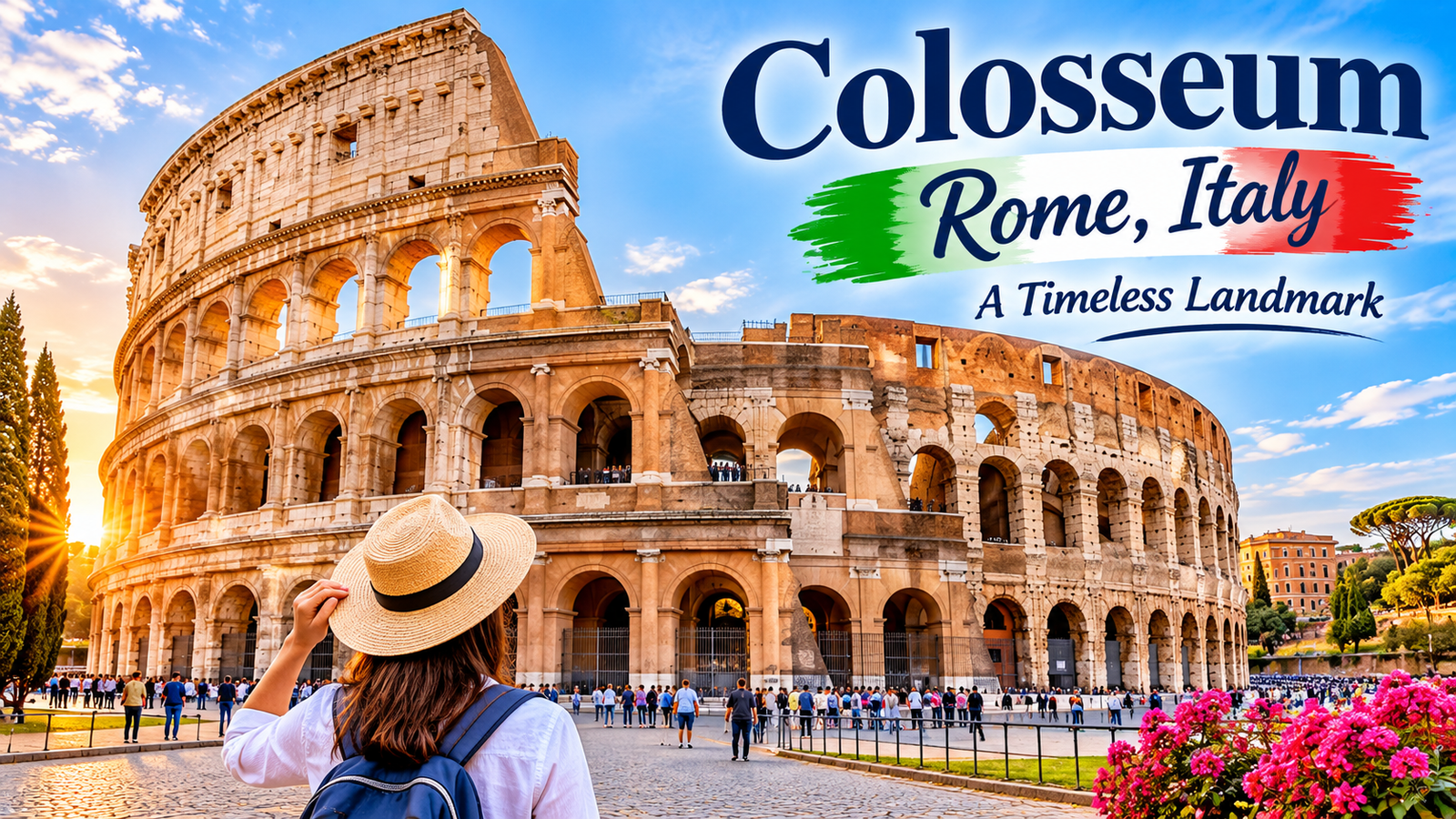
Rome is one of the few cities in the world where you can walk past a 2,000-year-old arena, drink coffee beside a Baroque fountain and stand in a square designed by Michelangelo, all in the same afternoon. The city is full of history, art and everyday life, and that is why people return again and again. This guide to the landmarks in Rome brings together 10 iconic places, with practical advice on tickets, timing and safety, so you can plan a smooth trip. Whether you have two days or a week, these landmarks in Rome should be on your list.
Quick Summary
- The top landmarks in Rome include the Colosseum, Roman Forum, Pantheon, Trevi Fountain and Vatican City
- Book tickets for the busiest sights online and arrive early in the day
- Group your sightseeing by area, so you walk less and see more
- Wear comfortable shoes, dress modestly for churches and carry water
- Stay alert for pickpockets, and check official sites for the latest opening hours and rules
Table of Contents
- Why the Landmarks in Rome Are Worth Visiting
- The Colosseum
- The Roman Forum and Palatine Hill
- The Pantheon
- Trevi Fountain
- The Spanish Steps
- St. Peter’s Basilica and Vatican City
- Piazza Navona
- Castel Sant’Angelo
- Capitoline Hill and the Altare della Patria
- The Appian Way
- Landmarks in Rome: Quick Guide
- How to Visit the Landmarks in Rome Smoothly
- Frequently Asked Questions
Why the Landmarks in Rome Are Worth Visiting
Rome was the capital of one of the largest empires in history, and later the center of the Renaissance and the Catholic Church. Few cities have so many layers of the past in such a small area. In a single morning you can move from an ancient temple to a medieval church and a Baroque square, and the best part is that most of the landmarks in Rome are close enough to explore on foot.
The most famous landmarks in Rome are grouped in a few areas. Ancient Rome includes the Colosseum, the Roman Forum and Palatine Hill. The historic center holds the Pantheon, Piazza Navona and Trevi Fountain. Vatican City sits west of the river, and the Appian Way lies to the south. Planning your days by area saves time and keeps your energy up.
Spring and autumn are usually the best seasons, with warm weather and smaller crowds than summer. Summer can be very hot, and the busiest sights are crowded all day. If you travel with children, you may enjoy our guide on how to travel safely with kids, which shares habits that make busy city trips easier.
1The Colosseum
The Colosseum is the symbol of Rome and the first of the landmarks in Rome that most visitors want to see. This huge amphitheater opened around 80 AD and once hosted gladiator fights, animal hunts and public shows for tens of thousands of spectators. Today it stands as the largest ancient amphitheater in the world and a UNESCO World Heritage Site.
- Walk through the arches and see the stone seating, corridors and arena floor
- Look for the underground passages where fighters and animals waited
- Take photos from the upper levels, when they are open, for views over the Forum
- Allow around one and a half to two hours for your visit
Tickets are often sold out in busy seasons, so book in advance from the official Colosseum website at colosseo.it. Be careful with unofficial sellers and tours that overcharge. Visit early in the morning or late in the afternoon to avoid the worst crowds and the midday heat.
Combined tickets often cover the Colosseum, Roman Forum and Palatine Hill. Check the official website for current ticket types and entry rules before you buy.
2The Roman Forum and Palatine Hill
Right next to the Colosseum, the Roman Forum was the heart of public life in ancient Rome. It was a place for markets, temples, law courts and political speeches. Today it is a field of ruined columns, arches and paved streets, and with a little imagination you can picture the busy city that once stood here.
- See the Arch of Titus and the Temple of Saturn
- Walk along the old Via Sacra, the main road of the Forum
- Climb Palatine Hill, where legend says Rome was founded
- Enjoy views over the Circus Maximus and the city from the top
There is little shade and the ground is uneven, so wear comfortable shoes and bring water, a hat and sunscreen in warm weather. Allow two to three hours for the Forum and the hill together. This is one of those landmarks in Rome where an audio guide or a good guidebook makes the stones come alive. For a list of small items that help on long walking days, see our guide on essential travel gear every adventurer must have.
3The Pantheon
The Pantheon is one of the best-preserved ancient buildings in Rome and still amazes visitors today. Originally built as a temple to all the gods, it has been used as a church for centuries. Its huge concrete dome, with a circular opening called the oculus at the top, remains an impressive feat of engineering and still ranks among the most remarkable landmarks in Rome.
- Stand under the oculus and watch the beam of light move across the floor
- See the tomb of the painter Raphael inside the building
- Admire the tall columns of the front porch
- Allow around 30 to 45 minutes for your visit
Entry rules for the Pantheon have changed in recent years, and it is also an active place of worship, so check the current visiting rules before you go. Dress modestly with covered shoulders and knees. After your visit, sit at a nearby cafe in the square and enjoy a coffee while you look at the building.
4Trevi Fountain
The Trevi Fountain is the largest Baroque fountain in Rome and one of the most beautiful landmarks in Rome. Water pours from a grand marble facade carved with sea gods and horses, and the whole scene feels like a stage set. By tradition, visitors turn their back to the fountain and throw a coin over their shoulder to make sure they return to Rome.
- Visit early in the morning or late in the evening, when the fountain is calmer and beautifully lit
- Try the traditional coin toss over your left shoulder with your right hand
- Enjoy a gelato nearby, but avoid the most touristy cafes right next to the fountain
- Allow about 20 to 30 minutes for your visit
This is one of the most crowded places in the city, so keep your bag closed and in front of you and watch for pickpockets. Rules about access to the fountain and the area around it can change, so check the latest information on the official Rome tourism website. For more advice on protecting your belongings, read our guide on how to keep your money and passport safe abroad.
5The Spanish Steps
The Spanish Steps connect the Piazza di Spagna at the bottom to the church of Trinità dei Monti at the top. The elegant staircase has 135 steps and has been a meeting point for visitors for centuries. The area around it is famous for fashion, shopping and cafes, and in spring the steps are decorated with flowers.
- Climb to the top for a lovely view over the rooftops of Rome
- See the Barcaccia fountain at the foot of the steps
- Walk along Via dei Condotti for elegant shops and window displays
- Visit at sunset when the city takes on a golden glow
Sitting or eating on the steps is not allowed, and visitors can be fined, so enjoy the view while standing or walking. The steps and the nearby streets get crowded, so keep an eye on your belongings. It is a short walk from the Spanish Steps to the Trevi Fountain, which makes them easy to visit on the same day.
6St. Peter’s Basilica and Vatican City
Vatican City is the smallest independent state in the world, and it holds some of the most important landmarks in Rome. St. Peter’s Basilica is the most famous church in the Christian world, and its giant dome was designed by Michelangelo. Inside, you can see Michelangelo’s Pietà, the grand altar and countless works of art. The huge St. Peter’s Square outside is also a landmark in its own right.
- Visit St. Peter’s Basilica, which is usually free to enter, though security lines can be long
- Climb the dome, if it is open, for one of the best views over Rome
- Plan extra time for the Vatican Museums and the Sistine Chapel, which need separate tickets
- Allow at least half a day for the basilica and the museums together
Book tickets for the Vatican Museums in advance on the official site at museivaticani.va, and check opening days, since the museums are closed on certain days. Both the basilica and the museums have a strict dress code, so cover your shoulders and knees. Bags are checked at the entrance, so travel light. Our guide on how to travel light can help you pack a small day bag.
7Piazza Navona
Piazza Navona is one of the most beautiful squares in Rome and an easy place to relax between sights. Its long oval shape follows the outline of an ancient stadium that once stood here. The square is filled with fountains, street artists, cafes and Baroque buildings, and it is one of the most lively landmarks in Rome in the evening.
- Admire Bernini’s Fountain of the Four Rivers in the center of the square
- See the church of Sant’Agnese in Agone on the western side
- Watch the artists and musicians who gather in the square
- Allow around 30 to 45 minutes, or longer if you stop for a meal
Cafes right on the square are usually expensive, so check prices before you sit down. Side streets nearby often have better value and more local food. Visit once in daylight and again in the evening when the square is beautifully lit, and keep your valuables secure in crowds.
8Castel Sant’Angelo
Castel Sant’Angelo is a round fortress on the bank of the Tiber River, not far from the Vatican. It was built by Emperor Hadrian as a mausoleum for himself and his family, and was later used as a fortress, a papal refuge and a prison. Today it is a museum, and it is one of the most interesting landmarks in Rome for history lovers.
- Walk up the spiral ramp inside the castle toward the terrace
- Enjoy the views over the river, St. Peter’s dome and the city skyline from the top
- Cross the Ponte Sant’Angelo, a bridge lined with angel statues
- Allow one to two hours for your visit
The castle is an easy stop before or after the Vatican, since the two are within walking distance. A walk across the bridge at sunset is one of the most atmospheric experiences in the city, so try to plan your visit for late afternoon.
9Capitoline Hill and the Altare della Patria
Capitoline Hill is one of the seven hills of Rome and was the religious and political center of the ancient city. At the top, you will find the Piazza del Campidoglio, a beautiful square designed by Michelangelo and surrounded by the Capitoline Museums. Nearby stands the huge white Altare della Patria, also known as the Vittoriano, a monument built in honor of Italy’s first king.
- Walk up the wide stairs to Michelangelo’s elegant square
- Visit the Capitoline Museums, among the oldest public museums in the world
- Take the lift of the Altare della Patria, if it is running, for a panoramic view of the city
- Allow one to two hours for the area
The view over the Roman Forum from the terrace beside the square is one of the best free views in Rome. These landmarks in Rome are often less crowded than the Colosseum or the Vatican, which makes them a good choice if you want a quieter visit.
10The Appian Way
The Appian Way, or Via Appia Antica, is one of the oldest and most important roads of the Roman Empire. Built in 312 BC, it once connected Rome to the south of Italy. A walk or bike ride along its ancient paving stones, lined with pine trees, tombs and ruins, feels very different from the busy city center.
- Walk or cycle along the original Roman paving stones
- Visit the catacombs, the underground burial places of early Christians
- See the tomb of Cecilia Metella and old villas along the way
- Allow a half day, since the area is outside the city center
Parts of the road are often closed to cars on certain days, which makes it ideal for cycling, but check the current rules before you go. Bring water, wear sturdy shoes and check the opening hours of the catacombs in advance. For tips on staying energized during long sightseeing days, read our guide on how to stay healthy and fit while travelling.
Landmarks in Rome: Quick Guide
Use this table to compare the landmarks in Rome and plan your time. Visit times are rough guides, and opening hours, ticket rules and entry conditions can change, so check each official website before you travel.
| Landmark | Area | Typical Visit Time | Useful Tip |
|---|---|---|---|
| Colosseum | Ancient Rome | 1.5 to 2 hours | Book tickets online in advance |
| Roman Forum and Palatine Hill | Ancient Rome | 2 to 3 hours | Bring water and sun protection |
| Pantheon | Historic center | 30 to 45 minutes | Check current entry rules and dress modestly |
| Trevi Fountain | Historic center | 20 to 30 minutes | Go early or late to avoid crowds |
| Spanish Steps | Piazza di Spagna | 20 to 30 minutes | Do not sit on the steps |
| St. Peter’s and Vatican City | Vatican | Half a day or more | Cover shoulders and knees, book museum tickets |
| Piazza Navona | Historic center | 30 to 45 minutes | Check cafe prices before sitting |
| Castel Sant’Angelo | Near the Vatican | 1 to 2 hours | Visit near sunset for the best views |
| Capitoline Hill and Altare della Patria | Central Rome | 1 to 2 hours | Enjoy the free view over the Forum |
| Appian Way | South of the city | Half a day | Wear sturdy shoes and check catacomb hours |
How to Visit the Landmarks in Rome Smoothly
Seeing all the landmarks in Rome in one trip is possible, but only if you plan your days well. Rome is busy, hot in summer and full of walking, so a few habits make the whole trip easier.
- Group your sightseeing by area, for example ancient Rome on one day, Vatican and the river on another and the historic center on a third.
- Book tickets online for the Colosseum and Vatican Museums as early as you can, especially in spring, summer and holidays.
- Start early, because the main landmarks in Rome are calmer in the morning and much hotter and busier by midday.
- Wear comfortable walking shoes, since Rome has uneven stones and many hills.
- Carry a refillable bottle and fill it at the free public drinking fountains, known as nasoni, around the city.
- Dress modestly for churches, with shoulders and knees covered.
- Keep your bag zipped and in front of you in crowds, especially near the Trevi Fountain and on public transport.
A simple three-day plan works well for first-time visitors. On day one, see the Colosseum, Roman Forum and Palatine Hill. On day two, visit Vatican City, Castel Sant’Angelo and Piazza Navona. On day three, see the Pantheon, Trevi Fountain and Spanish Steps, and finish with Capitoline Hill. If you have extra time, add the Appian Way.
Before you travel, check the official Rome tourism website for events, strikes and closures. Your phone can do a lot of work in the city, so our list of the best travel apps shows which maps, ticket and translation tools are worth installing. If you are flying in from far away, our guide on how to overcome jet lag helps you feel fresh for your first morning of sightseeing.
Busy areas can attract pickpockets and overcharging. Be careful with people offering “free” gifts or bracelets, unofficial ticket sellers and cafes without clear prices. Keep valuables out of sight and trust your instincts.
Frequently Asked Questions
What are the most famous landmarks in Rome?
The most famous landmarks in Rome include the Colosseum, Roman Forum, Pantheon, Trevi Fountain, Spanish Steps and St. Peter’s Basilica in Vatican City. Piazza Navona, Castel Sant’Angelo and the Appian Way are also very popular.
How many days do I need to see the main landmarks in Rome?
Three days is enough to see the main sights at a comfortable pace, and four or five days lets you add museums, the Appian Way and some relaxing time. With only two days, focus on ancient Rome and the Vatican.
Which landmarks in Rome should I book in advance?
Book the Colosseum and the Vatican Museums as early as possible, since they often sell out. Check the official websites for current rules, and also look at ticket requirements for the Roman Forum and Palatine Hill, Castel Sant’Angelo and the Capitoline Museums.
What is the best time of year to visit the landmarks in Rome?
Spring and autumn are usually best, with pleasant weather and fewer crowds. Summer is hot and very busy, while winter is quieter and cooler, with shorter days but lower prices.
Is Rome safe for tourists?
Rome is generally safe, but busy tourist areas attract pickpockets. Keep your bag closed and in front of you, avoid showing valuables and stay alert in crowds and on public transport.
Final Thoughts on the Landmarks in Rome
The landmarks in Rome are more than just famous names on a list. Each one connects you with a different chapter of history, from gladiators and emperors to popes, artists and everyday Romans. Plan your days by area, book your key tickets early, wear comfortable shoes and keep your valuables safe. Leave some time to wander without a map, enjoy a slow coffee and watch the city around you. With a little preparation, your visit to the landmarks in Rome will be a trip you remember for life.
Keep Planning Your Next Trip
Explore more practical advice and destination ideas on TourVister.
Destination Highlights Travel Tips